Business Briefings
FG Introduces Hands-On Tertiary Curriculum to Strengthen Food Systems


The Federal Government of Nigeria has rolled out a N1 billion reform of the country’s agricultural education system, aimed at strengthening food security, creating jobs, and enhancing economic growth.
The announcement, made by the Presidency, signals a major shift in how agriculture is taught in Nigeria’s tertiary institutions, emphasizing practical skills and industry-aligned training.
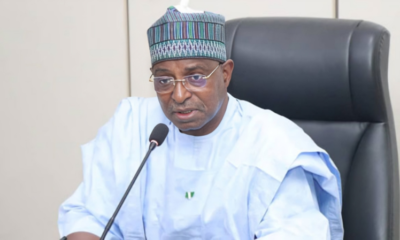
Minister of Education Tunji Alausa outlined the hands-on approach underpinning the reform. “Students are expected to spend between 60% and 70% of their training on hands-on activities in critical agricultural sectors,” he said. The initiative aims to equip learners with practical skills in crop production, livestock management, soil science, agritech, and value chain development.
Read Also:
- Flutterwave CEO, Elumelu, Ovia Lead Nigeria’s Power Push for UK Capital Dominance
- Tinubu Expands CNG Initiative to Include Electric Vehicles
Alausa stressed that the reform encourages collaboration between the education and agriculture ministries. “This reform will modernize the agricultural curriculum by prioritizing practical experience while creating opportunities for students to directly contribute to Nigeria’s food security and agribusiness development,” he said.
The government’s objective is to prepare a workforce capable of driving productivity, innovation, and growth across Nigeria’s agricultural sector. Students will gain experience managing agricultural enterprises and improving food production processes, contributing directly to national food systems.
By modernizing curricula and integrating practical training, the reform aims to bridge the gap between theoretical knowledge and industry needs. The initiative also seeks to enhance Nigeria’s capacity to produce food efficiently, develop agribusiness skills, and foster sustainable agricultural practices that support long-term food security.
“This initiative is a strategic investment in human capital, ensuring graduates are job-ready and capable of transforming Nigeria’s agricultural landscape,” Alausa concluded.