
By: Amarachi Okonkwo
The Federal Government has set an ambitious target to nearly double the value of Nigeria’s livestock industry to $74bn over the next decade, positioning the sub-sector as a critical lever for economic stability, food security, and agricultural transformation.
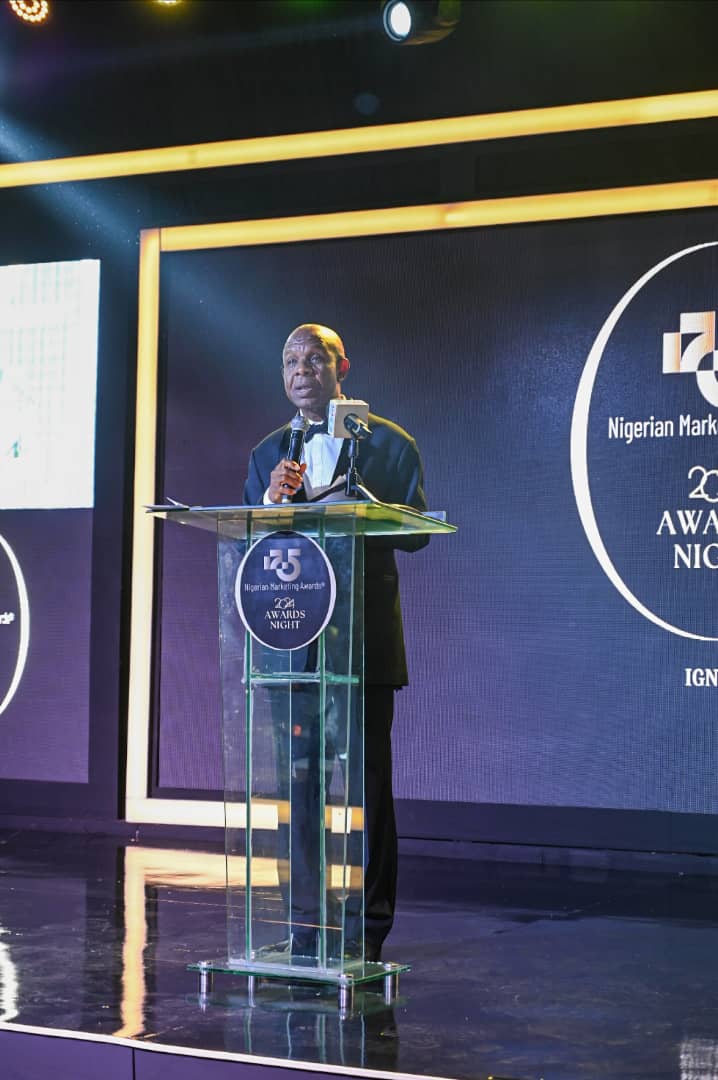
The plan was unveiled on Wednesday at the ninth edition of the Vanguard Economic Discourse held at the Civic Centre in Lagos, where policymakers, development partners, and private sector stakeholders converged to examine pathways to reviving Nigeria’s struggling food systems.
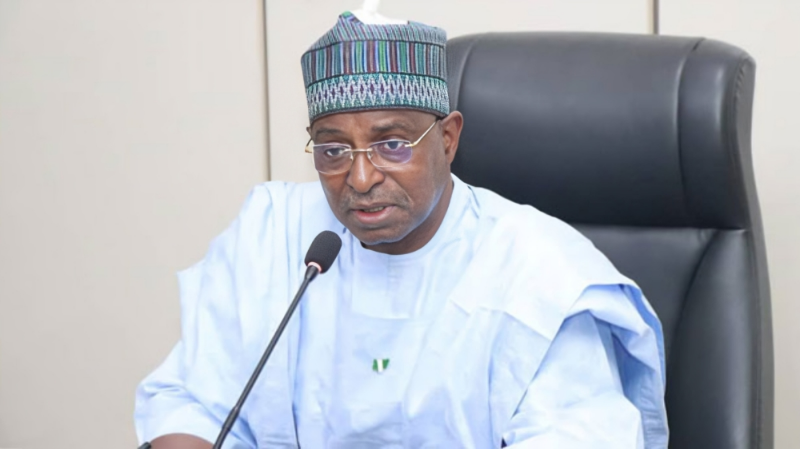
Representing the Minister of Livestock Development, Idi Maiha, the Special Adviser, Eustace Iyayi, disclosed that the government had developed a comprehensive 10-pillar livestock transformation strategy aimed at scaling the industry’s current estimated value of about $32bn to $74bn by 2035.
Read Also:
- nipc-courts-uk-investors-pushes-nigeria-as-reform-driven-capital-hub
- 2026/04/23/cbn-allots-n894bn-as-treasury-bills-demand-surges
The initiative forms part of a broader policy push to reposition agriculture as a key growth driver amid persistent food inflation, declining purchasing power, and worsening hunger across the country.
“Agriculture remains central to Nigeria’s economy, contributing roughly 24 to 26 per cent of GDP and employing up to 40 per cent of the labour force,” Iyayi said. “Yet, despite this significance, the country continues to grapple with persistent food insecurity.”
The discourse, themed “Food Security and Socio-economic Stability: Options for Nigeria’s Agriculture Sector Rebound,” drew participation from international development organisations, including the Food and Agriculture Organisation and the International Fund for Agricultural Development, alongside senior government officials and industry leaders.
Nigeria’s food system is currently under significant strain, with over 25 million people at risk of acute food insecurity, according to estimates cited at the forum. Food inflation has remained elevated above 30 per cent in recent periods, exacerbating poverty levels and limiting access to nutritious diets.
Iyayi identified the livestock sector as a key intervention point, noting that it contributes between five and eight per cent of GDP and accounts for roughly one-third of agricultural output. He added that strengthening the sector would be instrumental in addressing Nigeria’s widespread protein deficiency.
According to him, average per capita animal protein consumption in Nigeria stands at between 7 and 10 grams per day well below the recommended minimum of 20 grams highlighting a major nutritional gap.
Despite hosting one of the largest livestock populations in Africa including approximately 58.7 million cattle, 60.2 million sheep, 107.8 million goats, and nearly 700 million poultry Nigeria continues to record low productivity levels. This has been attributed to systemic challenges such as poor feed and fodder systems, weak animal genetics, inadequate veterinary services, and limited market infrastructure.
To address these constraints, the government’s reform blueprint prioritises improvements across the livestock value chain, including enhanced feed production, strengthened animal health systems, expanded access to finance, and increased investment in data and infrastructure.
Access to affordable financing remains a major bottleneck, with Iyayi warning that prevailing lending rates of 23 to 25 per cent are unsustainable for agricultural investment.
“There is no viable agricultural business with interest rates at 23 to 25 per cent. It is simply not sustainable,” he said, urging financial institutions to design tailored lending frameworks that deliver single-digit interest rates to farmers.
He further stressed the need to improve security in rural farming communities, reduce post-harvest losses estimated at between 30 and 40 per cent for perishable goods—and strengthen value chain integration to unlock the sector’s full potential.
Stakeholders at the event broadly agreed that food security must be elevated to a national priority, warning that continued pressure on food supply and rising prices could trigger wider socio-economic instability.
“Food security is no longer just an agricultural issue,” Iyayi said. “It is a pillar of national security and economic resilience.




 By
By




 By
By