Business Briefings
FG Moves Against Illegal State, LGA Taxes

The Federal Government has announced plans to introduce fresh regulations and implementation guidelines aimed at addressing illegal and multiple taxation imposed by state and local governments nationwide.
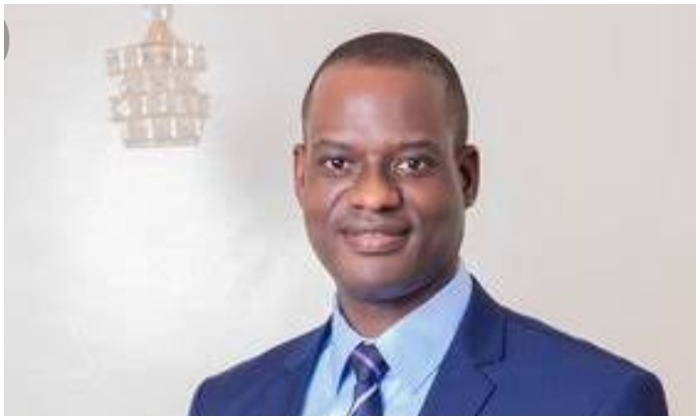
Minister of Finance and Coordinating Minister of the Economy, Taiwo Oyedele, disclosed this during an interview on Channels Television, noting that tax harmonisation remains a major focus of the administration.
According to him, while the Nigerian Tax Act and Nigerian Tax Administration Act became operational on January 1, 2026, implementation efforts have so far concentrated mainly on the federal level, with attention now shifting toward collaboration with subnational governments.
Oyedele stated that the government was already engaging states to adopt laws capable of eliminating unauthorised levies and improving transparency in tax administration.
Read Also:
- FG Prohibits Cash Tax Collection, Bans Roadblocks Under New Tax Framework
- NRS Debunks Fake Vehicle Tax Website
“Some of the excessive tax burden and multiple taxes are at the local government and state levels.
“So we’re working now with the subnational for them to enact the law for themselves to stop those illegal taxes. And also to automate the process so that you can take out corruption and the money goes to the government so you can serve the people better.
“In the coming months, we’re going to be issuing regulations and guidelines and orders to implement those reforms,” he said.
The minister revealed that 15 states had already enacted the necessary laws, while consultations were ongoing with others yet to comply.
“Our role in the Ministry of Finance around collaboration and coordination is not limited to organs and units within the federal government. It cuts across the subnational and that role, we’re taking it very seriously,” he added.
Oyedele also explained that the administration was concentrating on implementing the reforms and adjusting them based on stakeholder engagement and public feedback.
The reforms followed the signing of four major tax reform bills into law by President Bola Ahmed Tinubu in June 2025 as part of efforts to restructure Nigeria’s fiscal and revenue framework.
The laws include the Nigeria Tax Bill, Nigeria Tax Administration Bill, Nigeria Revenue Service Establishment Bill, and Joint Revenue Board Establishment Bill.
The bills generated widespread debate before their passage by the National Assembly, prompting extensive consultations with industry groups, regional representatives, and other stakeholders across the country.
Implementation of the reforms officially commenced on January 1, 2026.
Speaking further, Oyedele acknowledged gaps in fiscal communication and transparency, saying government financial data remained difficult to access.
“One of the areas where we haven’t really done very well is in communication, transparency, and accountability, of just even in finding fiscal data. You go to the Ministry of Finance websites, and you really can’t find a lot of information there,” he stated.
He stressed that Nigeria should become the primary source of its own economic data rather than relying heavily on international institutions.
“I have seen some of my colleagues in government reference the World Bank data about Nigeria. I said, no, it should be the other way around. The World Bank should be referencing us, not the other way,” he added.
Oyedele further disclosed that collaboration between the Ministry of Finance and the Central Bank of Nigeria had improved significantly under the present administration and would be strengthened through institutional frameworks.
He added that the government would continue refining the reforms through regulations, executive orders, and stakeholder engagement.