
Business Briefings
FG Extends Shea Nut Export Ban to Boost Domestic Processing

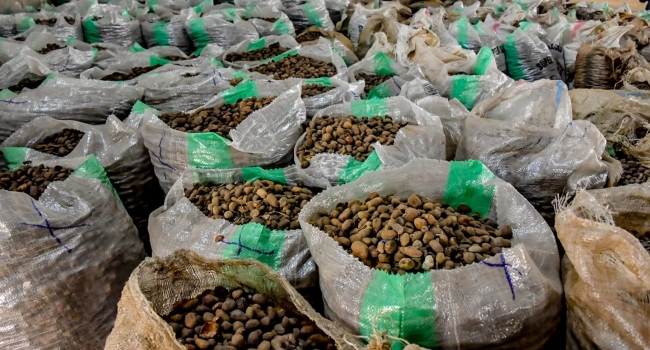
President Bola Tinubu has approved a one-year extension of the restriction on the export of unprocessed shea nuts, prolonging the policy until February 2027 as part of efforts to strengthen domestic value addition in Nigeria’s agricultural sector.
The presidency said the move reflects the administration’s focus on industrialisation, job creation and expanding export earnings through processed commodities rather than raw agricultural shipments.
According to officials, the policy aims to boost local processing capacity, increase income for shea-producing communities and enhance Nigeria’s competitiveness in global markets for shea-based products.
To ensure effective implementation, the President directed the Federal Ministry of Industry, Trade and Investment and the Presidential Food Security Coordination Unit to work jointly on a coordinated national framework for the shea value chain, aligning trade, production and investment priorities.
He also approved an export structure designed by the Nigerian Commodity Exchange, while ordering the withdrawal of waivers that previously allowed direct exports of raw shea nuts. Under the revised arrangement, any surplus must be exported strictly within the approved commodity exchange framework.
In addition, the Ministry of Finance has been instructed to establish a dedicated NESS support window to enable the industry ministry pilot a livelihood finance programme aimed at expanding processing capacity and strengthening local supply chains.
The Federal Government had earlier introduced a temporary six-month restriction on raw shea exports to protect domestic processors and stimulate industrial development.
Shea nuts, harvested mainly across Nigeria’s savannah belt, are processed into shea butter used widely in cosmetics, pharmaceuticals and food production. Processed shea butter commands significantly higher prices internationally than raw nuts, making local processing economically advantageous.
Authorities say the policy forms part of broader strategies to encourage manufacturing, support rural livelihoods and reposition Nigeria within global agricultural value chains.