Business Briefings
NNPC Signs MoU with Chinese Firms to Revive Warri, Port Harcourt Refineries

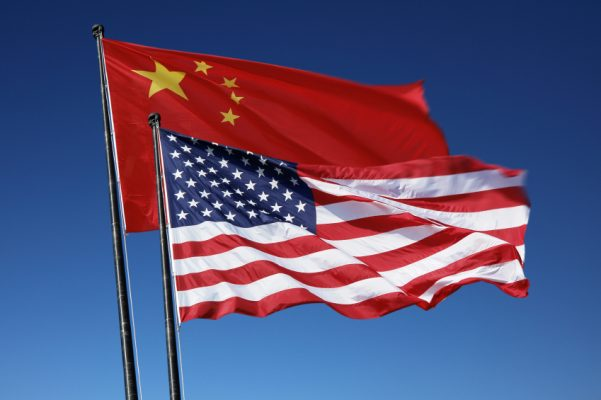
The Nigerian National Petroleum Company Limited has signed a Memorandum of Understanding with two Chinese firms as part of efforts to restart and expand operations at the Warri and Port Harcourt refineries.
The agreement, disclosed in a corporate statement, was executed in Jiaxing City, China, and involved senior executives from all participating entities. The Group Chief Executive Officer of NNPC Ltd., Bashir Bayo Ojulari, signed on behalf of the Nigerian company, alongside Guan Jianzhong of Sanjiang Chemical Company and Bill Bi of Xinganchen (Fuzhou) Industrial Park Operation and Management Co. Ltd.
According to the company, the proposed partnership framework is designed to cover the completion of ongoing rehabilitation work at both refineries, as well as their subsequent operation and maintenance.
Read Also:
- Aviation Industry at 40% Digitalisation, ICAN Warns
- Nigeria tops global charts in ICAO audit, signals aviation breakthrough
NNPC stated that the collaboration would focus on achieving efficient and sustainable performance of the facilities, which have remained largely inactive.
“The proposed partnership framework covers the completion of rehabilitation, as well as the operation and maintenance of the refineries to ensure efficient and sustainable performance,” the company said.
It added that the agreement also includes plans to upgrade the facilities to improve product quality and enhance overall profitability.
“The potential collaboration also contemplates expanding the refineries’ petrochemical capacities and harnessing gas and downstream opportunities through the development of co-located, gas-based industrial hubs,” the statement said.
Ojulari described the agreement as a significant milestone following months of engagement between NNPC and the Chinese partners, noting that it reflects a shared commitment to the long-term development of Nigeria’s refining assets.
“All parties recognise mutually beneficial opportunities for the development and long-term sustainable profitability of NNPC’s refining assets in Nigeria, and the collective weight required for success,” he said.
He added that the arrangement represents a step toward securing technical equity partners required to restore operations and drive expansion across the refining and petrochemical value chain.
The move comes amid ongoing efforts by NNPC to revive Nigeria’s state-owned refineries, which have faced prolonged operational challenges.
The Warri and Port Harcourt refineries have remained inactive for months following shutdowns initially attributed to maintenance requirements.
Operations at the facilities were halted on May 24, 2025, for scheduled maintenance expected to last 30 days, but the shutdown extended beyond the initial timeline.
Subsequent internal reviews revealed deeper operational and financial issues affecting the viability of the refineries.
A detailed technical and commercial assessment of the Port Harcourt, Warri, and Kaduna refineries commenced in October 2025 to evaluate their performance and determine the path forward.
Following the assessment, NNPC disclosed that the refineries were operating at significant losses, which contributed to the decision to suspend operations.
The company noted that the facilities had been eroding value, prompting the need for a more sustainable operational framework supported by strategic partnerships.
The agreement with the Chinese firms is expected to address these challenges by bringing in technical expertise, operational efficiency, and investment required to restore functionality.
NNPC also indicated that the collaboration would extend beyond refining to include petrochemical expansion and the development of gas-based industrial hubs, aimed at unlocking additional value across the downstream sector.
Industry analysts note that the inclusion of petrochemical and gas-based components reflects a broader strategy to diversify revenue streams and reduce reliance on traditional refining margins.
The development also aligns with efforts to reposition Nigeria’s downstream oil and gas sector for greater efficiency and competitiveness.
The company stated that the partnership could support improved product output, reduce reliance on fuel imports, and strengthen domestic refining capacity over time.
However, analysts caution that successful implementation will depend on timely execution, funding, and effective management of the partnership structure.
The agreement follows recent clarifications by NNPC regarding the status of its refinery assets, including the denial of reports suggesting the sale of scrap materials from the facilities.
The company reiterated its commitment to reviving the refineries and ensuring they contribute meaningfully to the country’s energy security.
Market observers will be monitoring the progress of the partnership, particularly in terms of timelines for rehabilitation, operational restart, and capacity expansion.
The MoU signals a renewed push by NNPC to secure strategic partners capable of delivering long-term value from Nigeria’s refining infrastructure, while addressing longstanding operational inefficiencies in the sector.