Global Business Today
Israel Approves 2026 Budget with Increased Defence Spending

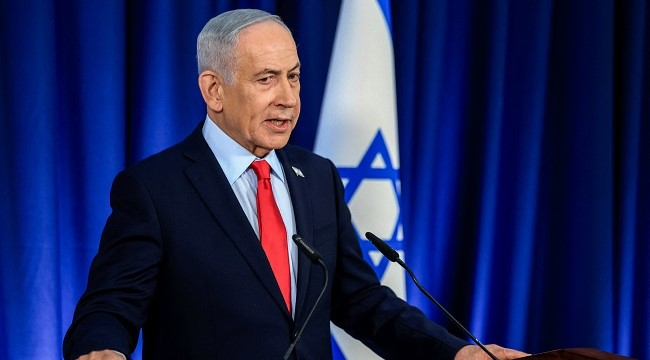
Israel’s parliament has approved the country’s 2026 national budget, significantly increasing defence spending as the nation continues to engage in multiple conflicts.
The budget, valued at approximately 850 billion Israeli shekels ($270 billion), was passed with 62 votes in favour and 55 against, narrowly avoiding a government collapse that would have been triggered by failure to meet the legal deadline.
Prime Minister Benjamin Netanyahu’s administration increased defence allocations by more than 30 billion shekels (about $10 billion), bringing total military spending to over 142 billion shekels. The increase reflects ongoing operations linked to regional conflicts, including tensions involving Iran and other security challenges.
Read Also:
- Trump’s Tariff Threats Stall EU Trade Agreement
- EU Considers Extending Naval Mission To Secure Strait Of Hormuz
Finance Minister Bezalel Smotrich described the budget as a turning point, stating, “We have the capacity to reshape the Middle East. This budget positions the nation to win.”
He added that the administration remains committed to achieving its goals in security, economic policy, and judicial reform, despite the pressures of war.
However, opposition leader Yair Lapid sharply criticized the budget, calling it “the greatest theft in the state’s history.”
“Six billion shekels are coalition funds that this government is allocating to itself — to corruption and draft evasion,” Lapid said, arguing that the budget disproportionately benefits political allies.
The increased defence spending will be funded partly through across-the-board cuts of about three percent to other government ministries, a move that has drawn further criticism.
Additional allocations include over $750 million for ultra-Orthodox institutions, while funding for settlements remains unchanged, sparking debate over government priorities during a period of economic strain.
Despite the controversy, the government maintains that the budget is necessary to sustain national security and stabilize the economy amid ongoing geopolitical tensions.