Business Briefings
African nations turn to Dangote Refinery as Iran war disrupts fuel supply

By: Amarachi Okonkwo
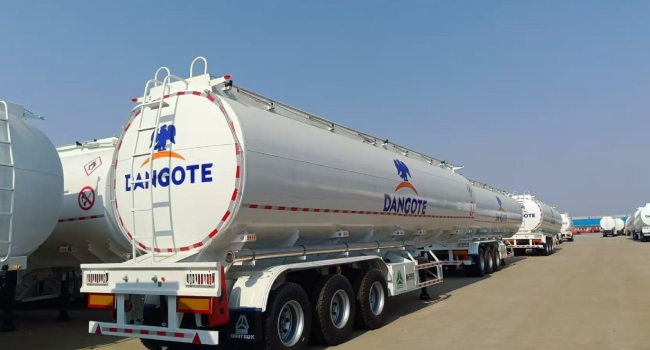
Rising disruptions from the Iran war have triggered a scramble among African governments to secure fuel supplies from the Dangote Petroleum Refinery and Petrochemicals, as countries seek urgent supply deals amid tightening global markets.
The 650,000-barrel-per-day Dangote Petroleum Refinery and Petrochemicals has received supply requests from countries including South Africa, Ghana, and Kenya, as governments scramble to secure refined petroleum products amid growing uncertainty in international markets.
Read Also:
- Global Oil Shock: Dangote moves to prioritise local market as Middle East crisis deepens
- Nigeria’s Dangote Refinery Targets 700,000 BPD Capacity
According to sources familiar with the discussions, South Africa is negotiating a 12-month fuel supply agreement with Nigeria, underscoring the urgency among energy-dependent economies to diversify supply sources away from the Middle East, which accounts for nearly three-quarters of refined fuel imports into East and Southern Africa.
Speaking in an interview with The Economist, Dangote said the current market dynamics have shifted focus away from pricing to availability.
“Right now it is not about pricing, it’s about availability,” he said, warning that supply constraints could persist for an extended period.
Limited export capacity highlights structural gaps
Despite its scale, about 75 per cent of the refinery’s output is reserved for domestic consumption in Nigeria, leaving only a limited volume available for export. This constraint has amplified concerns about Africa’s ability to absorb external supply shocks.
Energy consultancy CITAC noted that East and Southern Africa remain particularly vulnerable due to their heavy reliance on imported refined fuels.
South Africa’s situation illustrates the broader challenge. The country has lost nearly half of its refining capacity in recent years due to operational setbacks and underinvestment. While authorities say current supplies are sufficient for the coming weeks, the country’s strategic reserves estimated at about eight million barrels of crude with minimal refined product storage remain a critical vulnerability.
Governments and businesses respond to tightening supply
Across the continent, governments are already implementing emergency measures. In Ethiopia, authorities have directed fuel stations to prioritise public transport and urged citizens to conserve energy. In Mogadishu, fuel prices have nearly doubled, reflecting the immediate impact of supply shortages.
The disruption is also reshaping corporate strategies. Mining and energy companies are turning to alternative fuels amid rising costs. Exxaro Resources reported a roughly 20 per cent increase in coal prices to $112 per tonne, driven by heightened demand as businesses seek substitutes for imported petroleum products.
The company’s chief executive, Ben Magara, said firms are ramping up contingency planning to mitigate risks associated with fuel shortages, rising freight costs, and insurance premiums.
Strategic vulnerability exposed
The crisis has also highlighted a structural gap in Africa’s energy security framework. No African country is a member of the International Energy Agency, which mandates member states to maintain at least 90 days of net oil import reserves.
This absence of robust strategic stockpiles leaves many African economies exposed to prolonged supply disruptions, reinforcing calls for increased investment in refining capacity, storage infrastructure, and regional energy integration.
As the crisis unfolds, the Dangote refinery is emerging as a critical stabilising force within Africa’s energy landscape, though its limited export capacity underscores the scale of the continent’s long-standing dependence on external fuel markets.
-
FGN Savings Bonds Offer Higher Returns as DMO Opens May Subscription Window
The Debt Management Office (DMO) has opened subscriptions for the May 2026 Federal Government Savings Bond, offering returns of up to 14.525 per cent per annum to investors. Announced on behalf of the Federal Government of Nigeria, the offer provides retail investors with access to low-risk, government-backed securities. The subscription window runs from May 4…
-

Otedola: I didn’t fund Dangote Refinery, claims are false
Billionaire investor Femi Otedola has publicly dismissed circulating claims that he financed the $20 billion Dangote Group’s petroleum refinery project, describing the reports as inaccurate and deliberately misleading. In a statement shared via his official X account on Monday, Otedola clarified that he has not contributed any financial support “not a kobo, not a dollar,…
-
Nigeria pushes for fairness in global shipping net-zero drive at IMO meeting
Nigeria has urged the global maritime community to embed fairness, equity, and stronger support mechanisms for developing economies as the industry intensifies efforts to achieve net-zero emissions in international shipping. The appeal was made by the Minister of Marine and Blue Economy, Adegboyega Oyetola, while addressing stakeholders at the 84th session of the Marine Environment…