
Data
Nigeria’s World Bank IDA Debt Rises to $18.7bn

Nigeria’s debt to the concessional lending arm of the World Bank, the International Development Association, climbed to $18.7bn as of December 31, 2025, reflecting a $1.9bn increase within one year.
The latest financial data show the country’s exposure rose from $16.8bn at the end of the previous year, representing an 11.3 per cent annual increase and signalling Nigeria’s growing dependence on multilateral concessional funding amid fiscal pressures and volatile global markets.
The new figures place Nigeria as the third-largest borrower in the IDA portfolio, behind Bangladesh and Pakistan. Collectively, the ten largest borrowers account for roughly 60 per cent of IDA’s total exposure.
The increase largely reflects ongoing project disbursements tied to development programmes in health, education, and infrastructure. Although IDA loans carry favourable terms such as long repayment periods and grace windows, the expanding stock adds to Nigeria’s external debt obligations.
The institution emphasised the need to track loan exposures against repayment schedules and expected disbursements to ensure sustainability.
Overall, IDA’s portfolio expanded during the period, with total net loans rising to $226.4bn from $205.8bn a year earlier, reflecting broader expansion of concessional financing supported by contributions from member countries and capital-market borrowing.
Nigeria’s exposure now exceeds that of several other major African borrowers, reinforcing its importance within the World Bank’s development portfolio.
As of mid-2025, Nigeria’s external debt stood at $46.98bn, with the World Bank Group accounting for over 40 per cent. Analysts warn that while concessional loans help finance development, debt sustainability ultimately depends on the country’s revenue strength and ability to generate foreign exchange for repayment.
Economists stress that borrowing is not inherently problematic if tied to productive investments. However, excessive foreign debt, especially in a volatile exchange-rate environment, could strain reserves and deepen fiscal vulnerabilities if not carefully managed.
-

NGX Extends Trading Hours to 4pm to Boost Market Liquidity
The Nigerian Exchange Limited has announced an extension of its daily trading hours to 4:00 p.m., in a move aimed at enhancing liquidity and deepening investor participation in the capital market. The change, disclosed in a statement, will take effect from April 27, 2026, following approval from the Securities and Exchange Commission. Under the revised…
-
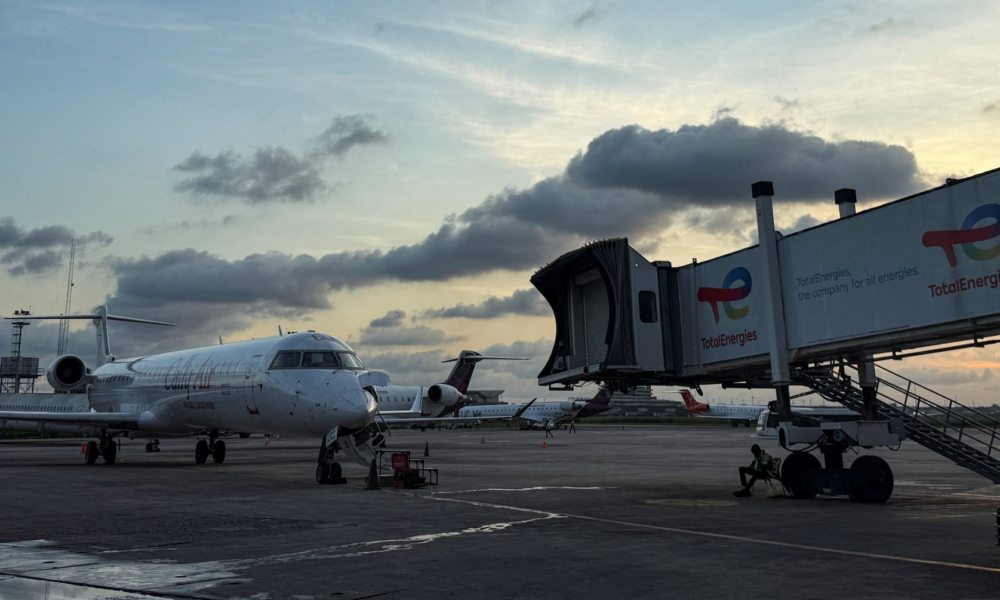
Airlines threaten shutdown, marketers say fuel prices overstated
By: Amarachi Okonkwo The Major Energies Marketers Association of Nigeria (MEMAN) has pushed back against claims that aviation fuel is selling for as high as N3,300 per litre, urging airline operators to explore alternative suppliers while attributing recent price pressures to global supply disruptions and rising logistics costs. The position comes amid escalating tensions between…
-

Afreximbank profit hits $1.15bn as assets soar to N56.7tn
By: Amarachi Okonkwo The African Export-Import Bank has delivered a strong financial performance for the 2025 fiscal year, posting significant profit growth and an expanded balance sheet as it deepened support for trade financing across Africa and the Caribbean. The multilateral lender recorded a net profit of $1.15bn (about N1.5tn), marking an 18 per cent…