Currencies
Naira Shows Signs of Stability as Dollar Trades Within Narrow Range

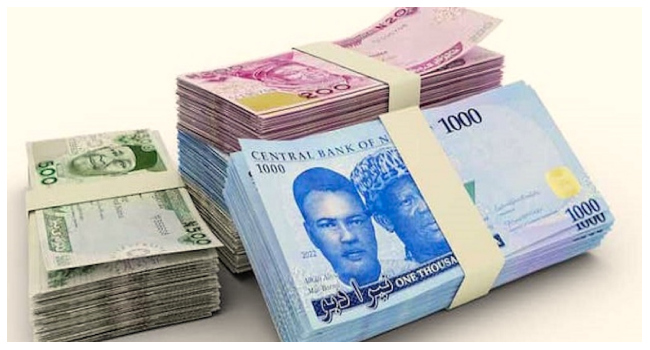
The Nigerian currency showed relative stability in the official market, with the dollar trading within a narrow band as the week opened.
At the Nigerian Foreign Exchange Market, the naira traded at an average of ₦1,382.18 per dollar during the morning session, compared to a closing rate of ₦1,384.25 at the end of the previous week, reflecting a marginal appreciation of 0.15 percent.
Read Also:
- Trump’s Tariff Threats Stall EU Trade Agreement
- EU Considers Extending Naval Mission To Secure Strait Of Hormuz
Since early March, the currency has largely traded within the ₦1,352/$ to ₦1,398/$ range, suggesting a period of consolidation. Analysts note that a sustained move above the ₦1,400/$ threshold could push the exchange rate toward ₦1,450/$ levels.
Market stability has been supported by improved liquidity, aided by reforms introduced by the Central Bank of Nigeria, particularly the refined Electronic Foreign Exchange Matching System (EFEMS). Turnover at the official window reached approximately $172.9 million in the last full trading session of the previous week.
Nigeria’s external reserves, which have climbed to around $50 billion, continue to provide a buffer against volatility, giving the central bank room to intervene when necessary.
In addition, strong global crude oil prices — with Nigeria’s Bonny Light crude trading above $103 per barrel — have supported foreign exchange inflows, helping to stabilise the currency.
Macroeconomic indicators have also contributed to improved sentiment. Inflation has shown signs of easing, recently recorded at 15.06 percent, while the Monetary Policy Rate remains steady at 26.5 percent, reinforcing investor confidence in naira-denominated assets.
Further optimism stems from growth projections, with international financial institutions revising Nigeria’s economic outlook upward. The country’s GDP is now projected to grow by 4.4 percent in 2026, supported by performance in the services and technology sectors.
However, global factors continue to pose risks. The U.S. dollar has strengthened amid geopolitical tensions, particularly in the Middle East, where conflict has disrupted key oil supply routes, including the Strait of Hormuz. This has boosted oil prices while reinforcing the dollar’s position as a safe-haven currency.
Despite these external pressures, the naira’s recent stability suggests that policy reforms, improved liquidity, and stronger reserves are beginning to anchor the currency, even as global uncertainties persist.