Currencies
Naira Weakens Slightly as External Reserves Decline

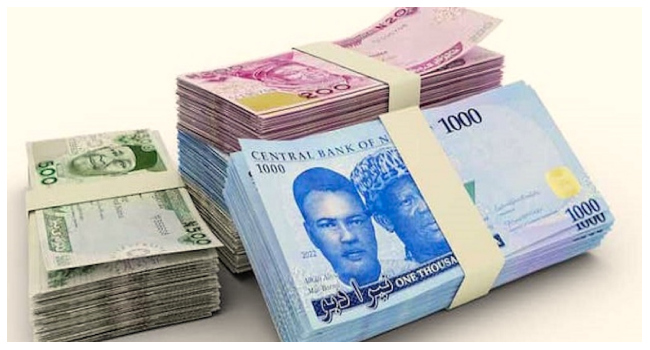
The Nigerian currency recorded a marginal depreciation, closing at N1,383.5 per dollar, as pressure on external reserves continues to weigh on the foreign exchange market.
Data from the Central Bank of Nigeria showed that the naira traded within a range of N1,372 to N1,389 during the session, reflecting relatively stable but cautious market conditions.
The average exchange rate stood at N1,381.86 per dollar, while total interbank turnover reached $83.44 million across 88 deals.
Read Also:
- Legend Internet, Spectranet Seal Merger to Create N80bn Broadband Giant
- PenCom unveils online platform for compulsory pension data recapture
External reserves declined to $49.6 billion, down from $49.8 billion recorded days earlier, highlighting ongoing pressure on the country’s foreign exchange buffers.
Global currency markets remained subdued, with investors closely monitoring geopolitical developments, particularly tensions involving the United States and Iran, as well as shifting expectations around monetary policy.
The euro and British pound recorded slight gains, while the U.S. dollar remained largely stable against major currencies. The dollar index edged lower, reflecting muted global movements.
Expectations of tighter monetary policy in the United States are also influencing market sentiment, with the likelihood of a rate hike increasing amid persistent inflation concerns.
Overall, while the naira has remained relatively stable in recent sessions, underlying pressures from declining reserves and global uncertainties continue to shape its outlook.