Business Briefings
Tinubu secures $1.51bn UK investment deals to boost Nigeria’s economy

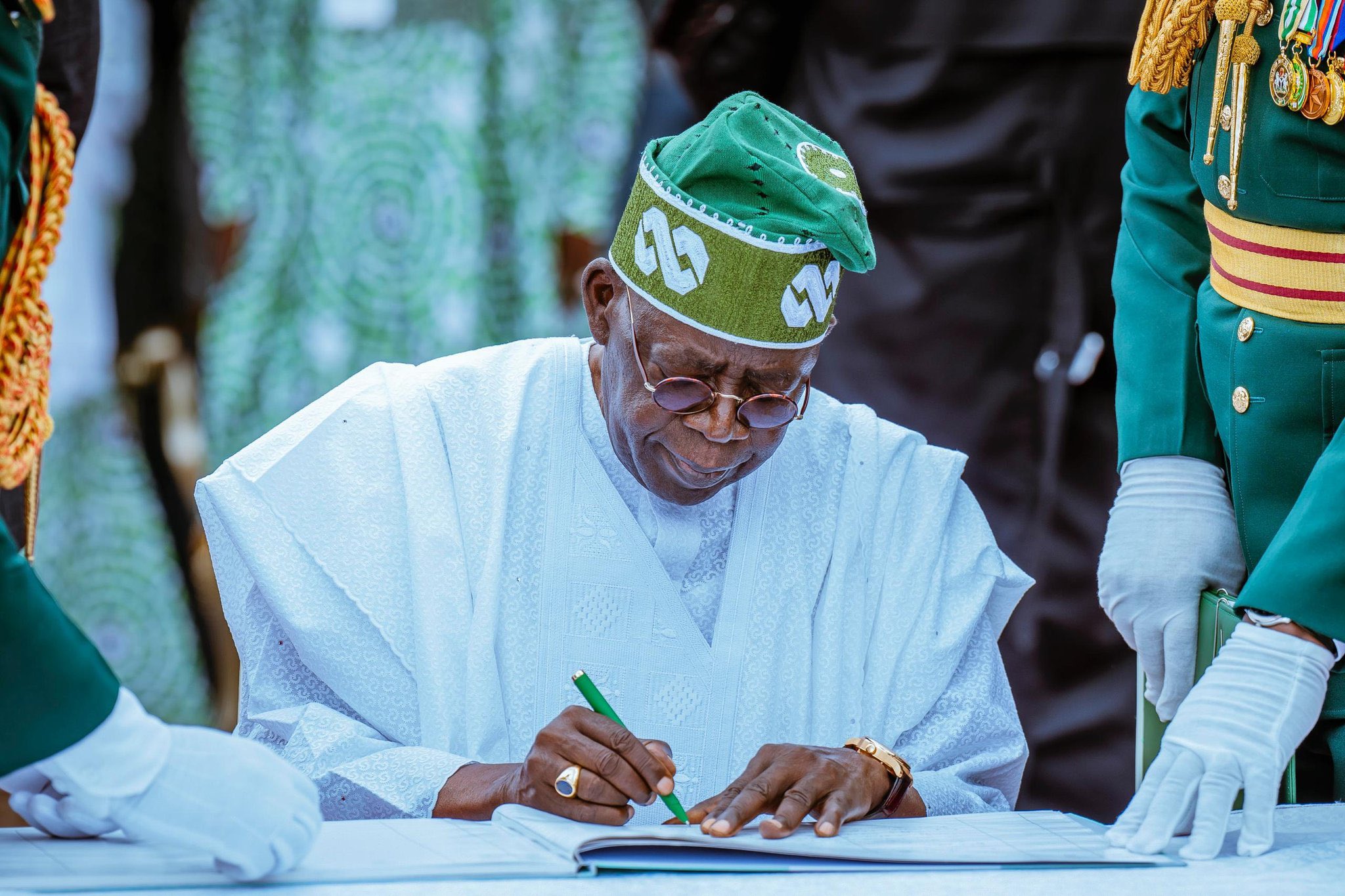
By: Amarachi Okonkwo
The historic two-day state visit of Bola Ahmed Tinubu to the United Kingdom has unlocked investment commitments totaling $1.51 billion, signalling a major push to deepen bilateral trade, strengthen infrastructure, and stimulate job creation in Africa’s largest economy.
The agreements, spanning infrastructure, agriculture, and manufacturing, underscore a strategic shift by Nigeria to attract long-term capital amid ongoing economic reforms aimed at stabilising growth and improving productivity.
Port Infrastructure Gets Major Boost
At the centre of the deals is a £746 million ($990 million) export finance facility to fund the redevelopment of Nigeria’s two key maritime hubs — Lagos Port and Tin Can Island Port Complex.
Read Also:
- Dangote Refinery Signs Petrol Distribution Deal
- FG Secures £746m UK-Backed Deal to Transform Nigeria’s Seaports
The financing, guaranteed by UK Export Finance and arranged by Citibank, represents one of the largest UK-backed infrastructure transactions in Nigeria in recent years.
For the UK, the deal also delivers domestic economic benefits. Officials say the port redevelopment will generate £236 million in supplier contracts for British firms, including a £70 million allocation to British Steel, aligning with London’s industrial support strategy.
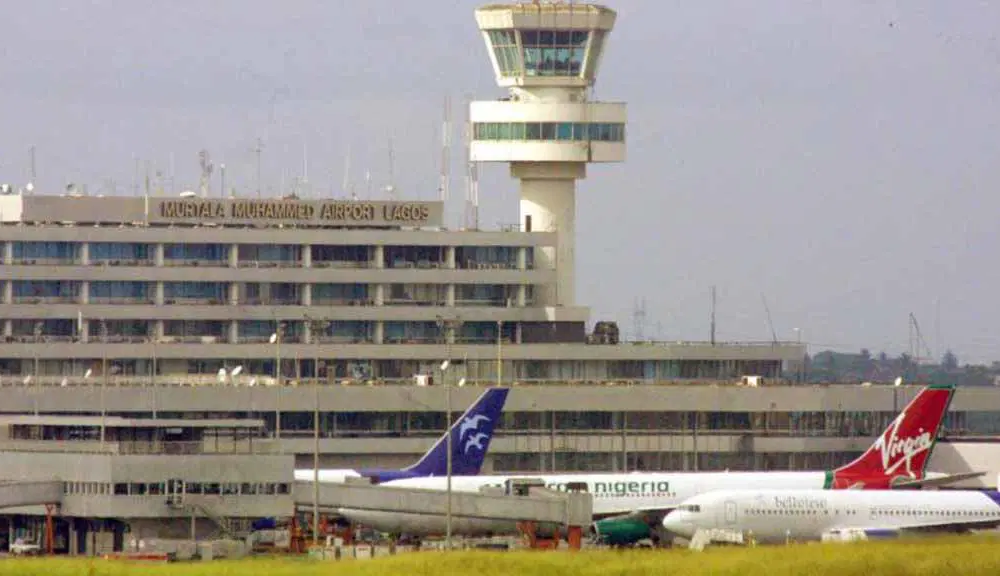
For Nigeria, however, the implications are far-reaching. The Lagos ports currently handle about 70 percent of the country’s imports and exports, yet are plagued by congestion, outdated infrastructure, and high logistics costs.
Analysts say modernising the facilities could significantly reduce vessel turnaround times, cut demurrage costs, and improve customs efficiency — key steps toward lowering inflationary pressures, strengthening the naira, and enhancing Nigeria’s competitiveness as a trade hub.
$496m Dairy Investment Targets Import Substitution
Beyond infrastructure, the visit yielded a $496 million agricultural investment aimed at tackling Nigeria’s food security challenges.
The Nigeria Sovereign Investment Authority signed a memorandum of understanding with Asset Green Ltd. to develop an integrated dairy production and processing platform.
The project is designed to build a complete value chain — from pasture development to milk processing, reducing Nigeria’s heavy reliance on dairy imports.
Once fully operational, the platform is projected to generate over $620 million in annual revenue and could reposition Nigeria as a regional dairy exporter rather than a net importer.
Officials at the British High Commission described the initiative as one of the most ambitious agricultural investments in Nigeria’s history, aligning with the government’s broader push for import substitution and domestic value addition.
Consumer Manufacturing Expansion
In the consumer goods sector, Twinings Ovaltine announced plans to invest £24 million ($32 million) in a new manufacturing facility in Lagos — its first major capital investment in Africa.
The plant is expected to create more than 100 direct jobs while boosting exports across West Africa, reinforcing Nigeria’s ambition to become a regional production hub.
Strategic Realignment in UK–Nigeria Trade
The agreements highlight a recalibration of economic relations between Nigeria and the UK. Post-Brexit Britain is actively expanding trade partnerships beyond Europe, while Nigeria is seeking foreign investment to anchor sweeping economic reforms.
The Tinubu administration has implemented key policy changes, including the removal of fuel subsidies and the unification of exchange rates, aimed at restoring investor confidence. While these measures have imposed short-term economic strain, securing export-backed financing and private-sector commitments from a G7 economy provides both validation and potential relief.
FDI Outlook Strengthens
The inflow of new commitments could significantly improve Nigeria’s historically weak foreign direct investment (FDI) performance. FDI has remained below $1 billion annually over the past five years, but rose to $566.2 million in the first nine months of 2025 — the highest level in four years.
Economists say the $1.51 billion deal pipeline, if fully executed, could accelerate this recovery, deepen industrial linkages between both countries, and support Nigeria’s transition from a consumption-driven economy to a production and export-led growth model.
If successfully implemented, the agreements reached during Tinubu’s UK visit could mark a turning point in Nigeria’s economic trajectory — easing trade bottlenecks, strengthening food security, and expanding manufacturing capacity.
The challenge, however, remains execution. Delivering on these commitments will be critical to translating diplomatic wins into tangible economic gains for businesses and households.