By: Amarachi Okonkwo
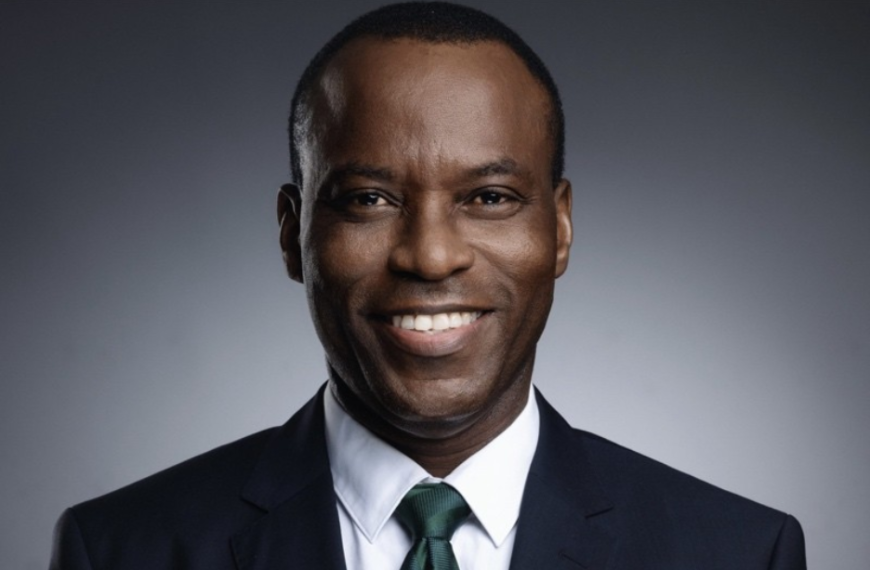
Nigeria’s macroeconomic reforms are helping to shield the economy from worsening global shocks, even as inflation ticks upward again, Governor of the Central Bank of Nigeria, Olayemi Cardoso, has said.
Speaking at the closing press briefing during the Spring Meetings of the World Bank and International Monetary Fund in Washington, DC, Cardoso defended the central bank’s cautious monetary stance, noting that recent policy decisions had been guided strictly by data and forward-looking risk assessments.
He argued that the Monetary Policy Committee’s restraint particularly its reluctance to ease rates aggressively despite months of declining inflation had helped position Nigeria to better absorb external shocks.
Read Also:
- dollar-rises-on-us-iran-tensions-as-naira-faces-mild-pressure
- fg-raises-n100bn-from-unclaimed-funds-integrates-into-public-debt-framework
“The decisions of the MPC are data-driven, not emotional,” Cardoso said. “If we had not taken the steps we did when we did, the outcome for the country could have been far more painful.”
Inflation reverses trend amid global pressures
Nigeria’s inflation rate rose to 15.38% in March 2026, according to the National Bureau of Statistics, marking the first increase in a year and reversing a sustained disinflation trend.
Cardoso attributed the uptick largely to external factors, including geopolitical tensions linked to the US Iran conflict, which have driven up global energy prices and, by extension, domestic transport and food costs.
While acknowledging the inflationary spike, the CBN governor maintained that it was anticipated within the bank’s risk outlook.
“We were careful not to ease prematurely because doing so would have exposed the economy to exactly the type of shocks we are now seeing,” he said, adding that policymakers had visibility into risks not fully apparent to the public.
Reform agenda credited with resilience
Cardoso emphasized that ongoing structural reforms particularly the shift to a market-reflective foreign exchange regime and the removal of fuel subsidies have strengthened Nigeria’s economic buffers.
According to him, these changes have reduced distortions, improved price discovery, and prevented the rapid depletion of foreign reserves, which historically worsened external shocks.
He reiterated the bank’s commitment to achieving single-digit inflation over the medium term, stressing that macroeconomic stability remains central to improving living standards.
“Stability has begun to take hold,” Cardoso noted. “This allows us to move beyond the more severe consequences associated with economic instability.”
Government echoes confidence in reforms
Nigeria’s Minister of Finance and Coordinating Minister of the Economy, Wale Edun, reinforced the central bank’s position, describing the country’s reform programme as “durable and self-sustaining.”
Speaking at the same event, Edun said Nigeria is now better equipped to withstand global disruptions due to improved economic fundamentals and increased investor confidence.
“Nigeria came to this meeting with a clear message: our reforms are working,” he said. “We are more resilient to global shocks and firmly focused on inclusive growth.”
He added that international stakeholders including the IMF, World Bank, and bilateral partners had acknowledged the progress made, particularly in stabilising the foreign exchange market and transitioning to market-based pricing in the petroleum sector.
Outlook: cautious optimism amid uncertainty
Despite renewed inflationary pressures, both monetary and fiscal authorities expressed confidence that Nigeria’s current policy mix will help navigate ongoing global volatility.
The authorities’ stance suggests a continued emphasis on tight monetary conditions, structural reforms, and gradual stabilisation, even as geopolitical tensions and commodity price swings remain key risks to the outlook.
For businesses and investors, the message from Washington was clear: Nigeria’s policymakers intend to stay the course prioritising resilience over short-term relief as the economy adjusts to a more market-driven framework.


 By
By



 By
By