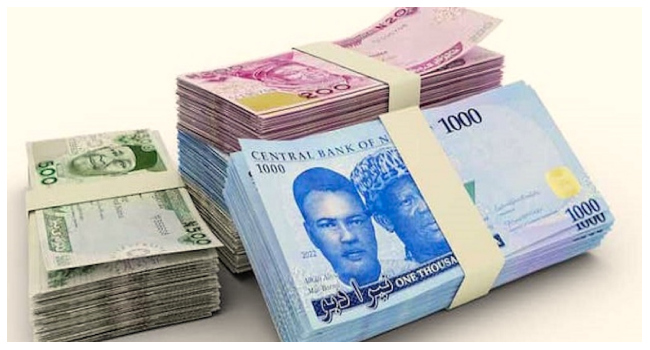

The Nigerian naira strengthened against the euro during the week’s fourth trading session, pushing the European currency below the N1,585 mark amid sustained gains by the local currency in the foreign exchange market.
Data released by the Central Bank of Nigeria showed that the naira closed at N1,582 per euro, reflecting continued appreciation against the European currency.
The EUR/NGN exchange rate traded within the high N1,500 range during the first week of June, supported by improving foreign exchange market conditions and growing confidence in the domestic currency.
Recent reports have pointed to a decline in Nigeria’s headline inflation rate from previous highs, aided by increased stability in the foreign exchange market and improved agricultural output.
The development has contributed to improved sentiment around the naira, which has recorded relative stability in recent months.
Market participants also expect monetary conditions to remain supportive of the local currency following the Central Bank’s commitment to maintaining discipline within the foreign exchange market.
The CBN has continued to implement the Nigerian FX Code and other regulatory measures aimed at ensuring transparent price discovery and strengthening confidence among investors and market operators.
The regulator’s market oversight efforts, combined with improvements in foreign exchange liquidity and reserve levels, have helped reduce speculative pressure on the naira.
While the naira gained against the euro, developments in Europe continued to influence the outlook for the single currency.
The European Central Bank has maintained a firm stance in its efforts to address inflationary pressures across the Eurozone, with expectations of further policy discussions at upcoming meetings.
The euro also traded near $1.16 against the United States dollar in European markets, reflecting cautious investor sentiment amid global economic and geopolitical uncertainties.
Energy market developments and geopolitical tensions continued to shape currency movements, with higher energy prices affecting economic conditions across several regions.
The dollar index remained relatively firm during the period, supported by expectations that the United States Federal Reserve could maintain a restrictive monetary stance if inflationary pressures persist.
Market attention has also focused on upcoming United States labour market data, which could provide further direction for global financial markets and currency movements.
Rising oil prices have contributed to inflation concerns across major economies, prompting central banks to maintain close monitoring of economic conditions.
Analysts noted that continued stability in Nigeria’s foreign exchange market and improved macroeconomic indicators have helped support the naira’s recent performance against major global currencies.
The strengthening of the local currency against the euro reflects broader efforts to improve market confidence, enhance foreign exchange liquidity, and sustain stability within the Nigerian economy.
With the euro closing below N1,585, the naira recorded one of its strongest performances against the European currency in recent months, highlighting the impact of ongoing monetary and foreign exchange reforms.


 By
By


 By
By