Business Briefings
Procurement Reforms Saved Federal Government Over N1.1tn in 2025 — BPP

The Bureau of Public Procurement says reforms to Nigeria’s procurement system generated savings of more than N1.1 trillion for the Federal Government between January and December 2025.
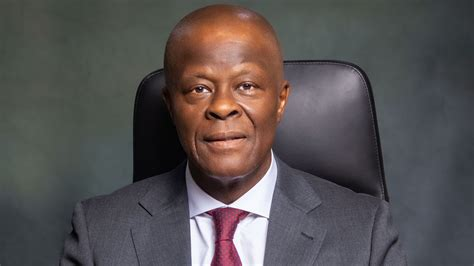
Director-General Adebowale Adedokun disclosed this while presenting the bureau’s 2026 budget proposal to the Senate Committee on Public Procurement in Abuja, noting that the reforms have also reduced contract approval timelines and strengthened enforcement against contractors and officials who breach procurement rules.
Adedokun urged lawmakers to approve higher funding for the bureau in 2026 to enhance operational capacity, improve service delivery, and support employment generation, adding that increased resources would reinforce anti-corruption efforts under the administration of President Bola Tinubu.
He also announced the introduction of a community-based procurement framework aimed at improving monitoring and implementation of constituency projects sponsored by federal legislators.
According to him, the new system will combine digital tracking tools with field supervision to promote transparency, ensure value for money, and give lawmakers better visibility into projects executed within their constituencies. He added that the president has approved the rollout of the initiative nationwide.
Chairman of the Senate Committee on Public Procurement, Olajide Ipinsagba, acknowledged the bureau’s role in promoting fiscal discipline and national development, assuring the agency of legislative cooperation while emphasising the need for prudent management of public resources.
Read Also:
- FG to Deepen Non-Oil Export Drive in 2026
- ECB Slaps JPMorgan With Record Fine Over Misreported Capital Data
The bureau remains the federal authority responsible for regulating public procurement processes to promote accountability, efficiency, and transparency in government spending.
Constituency projects—often referred to as zonal intervention projects—are budgetary allocations proposed by lawmakers to address local infrastructure and social needs. While legislators nominate the projects, implementation is handled by federal ministries, departments, and agencies.
The programme has faced persistent criticism over weak oversight, project duplication, delayed funding, and corruption allegations. Reviews by oversight bodies, including the Office of the Auditor-General and civil society organisations, have repeatedly flagged shortcomings in monitoring and accountability, with several approved projects reportedly abandoned or left incomplete.