Opinion
Nigeria Rules Out IMF Loans Despite Mounting Debt Pressures — Edun
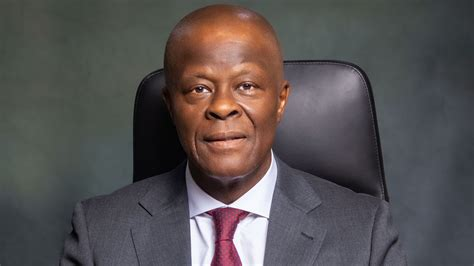
The Minister of Finance and Coordinating Minister of the Economy, Wale Edun, has stated that Nigeria is not considering borrowing from the International Monetary Fund, even as concerns grow over the country’s rising debt burden.
Speaking at a ministerial briefing during the IMF World Bank Spring Meetings in Washington DC, Edun said the government remains committed to alternative funding strategies and ongoing domestic reforms rather than resorting to emergency external financing.
“Nigeria has no plans at the moment to approach the IMF or any other source,” he said.
His remarks come against the backdrop of increasing debt vulnerabilities across Africa, with global financial institutions urging at risk economies to explore support options.
Read Also:
- Nigerian Breweries Hits ₦60bn Cashflow Milestone in 2025 Recovery, Targets Strong 2026 Growth
- Edun, IMF Official Strengthen ECOWAS Economic Cooperation Talks
Edun noted that several African countries are either already in, or nearing, debt distress, largely due to high borrowing costs and challenging financing conditions.
“The premium that they pay for commercial debt is part of the reason why there is this distress, discomfort in the first place, in terms of the percentage of revenue that has to be given over to debt service, as opposed to health and so forth,” he said.
He emphasised that addressing these pressures will require structural adjustments, including improved revenue mobilisation, more efficient public spending, and stronger private sector involvement.
The minister also pointed to the growing importance of technology, including artificial intelligence, in enhancing government efficiency and reducing reliance on borrowing.
Edun further referenced efforts by Bola Ahmed Tinubu to push for lower risk premiums on African economies, arguing that current global risk assessments continue to inflate borrowing costs for the continent.
He reiterated that Nigeria’s economic strategy is centred on stabilisation and growth, driven by reforms aimed at boosting revenue, attracting private capital, and reducing fiscal pressures.
Data from the Debt Management Office shows that Nigeria’s total public debt rose by ₦14 trillion to ₦159.27 trillion at the end of 2025, highlighting ongoing fiscal challenges at both federal and state levels.
Despite the increase, the government maintains that its borrowing remains within manageable limits, with a focus on controlling debt servicing costs and strengthening revenue generation.
The National Assembly recently approved a $6 billion external borrowing plan, even as concerns persist about sustainability amid global economic uncertainty.
While the government continues to rule out IMF support in the near term, analysts say the country’s rising debt profile reinforces the need for disciplined fiscal management and diversified funding sources.
Looking ahead, authorities say reforms will remain central to efforts to reduce vulnerabilities and build a more resilient economic framework.