
The Federal Government has announced plans to invest $2 billion in a nationwide fibre optic infrastructure project—set to begin in the fourth quarter of 2025. The initiative, called Project Bridge, will lay 90,000 kilometers of fibre optic cable across Nigeria to enhance access to fast, affordable internet.
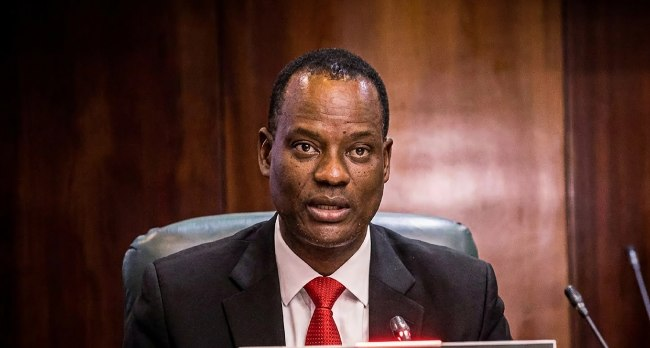
The announcement comes alongside a report that Nigeria’s Communications and Digital Economy sector secured $191 million in foreign direct investment (FDI) in Q1 2024—an almost ninefold increase from $22 million during the same period in 2023. This was disclosed by the Minister of Communications, Innovation, and Digital Economy, Dr. Bosun Tijani, during an interview for a forthcoming State House documentary marking President Tinubu’s second year in office.
According to Bayo Onanuga, the President’s Special Adviser on Information and Strategy, the sector’s remarkable growth is a result of strategic reforms and workforce development efforts.
Tijani highlighted the success of the Three Million Technical Talent (3MTT) programme, launched in October 2023, which has already trained over 117,000 Nigerians in digital skills—surpassing early milestones and progressing steadily towards the overall 3 million target.
The minister emphasized that Project Bridge is expected to significantly boost internet coverage and economic growth, noting that a 10% rise in digital connectivity hubs could contribute up to 2.5% to national GDP.
Tijani also noted that Nigeria is now ranked among the top 60 countries globally for Artificial Intelligence (AI) readiness. He pointed to initiatives such as the AI Collective platform, government-funded AI research, and the Nigeria Startup House in San Francisco, which aims to attract $5 billion in tech investments.
As part of broader plans to improve telecom infrastructure, the government also intends to deploy 7,000 telecom towers to achieve 98% network coverage across the country. Efforts are underway to address Right-of-Way bottlenecks, with 12 states already adopting zero-cost policies in support of the National Broadband Plan’s target of 90% broadband penetration by 2025—up from 48% in 2024.
Looking ahead, Tijani said the digital economy’s contribution to GDP is expected to rise from 16% to 22%, underlining the role of technology in bridging gaps between the government and its citizens.



 By
By




 By
By