Business Briefings
Sri Lanka Unveils $320M Relief Package to Combat Rising Energy Costs

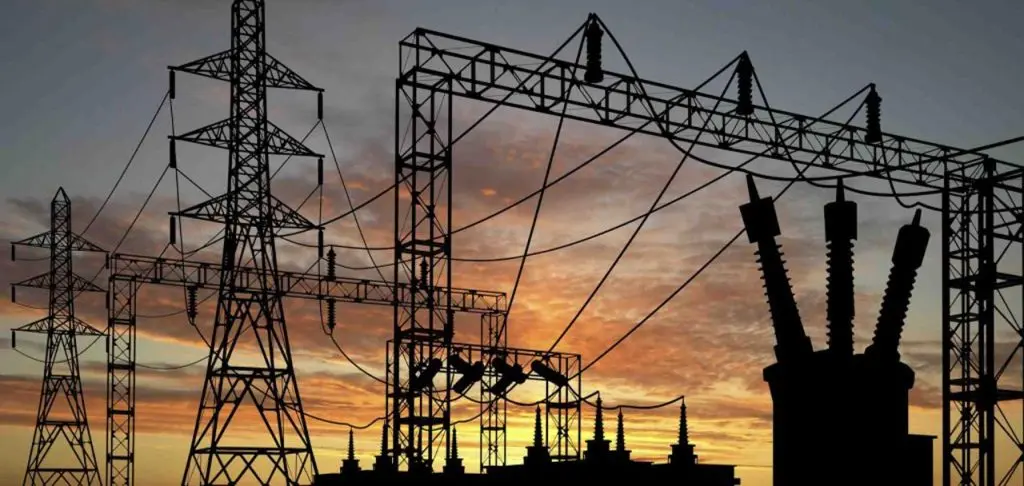
Sri Lanka has announced a historic $320 million relief package to support farmers, fishermen, and low-income households facing soaring energy costs amid the Middle East conflict.
President Anura Kumara Dissanayake described the initiative as the largest-ever government handout, aimed at the island nation’s most vulnerable population of 22 million. The plan includes direct cash transfers to rice and tea farmers and fishermen, while around 25 percent of residents living below the poverty line will receive an additional $25 this month to mark the Sinhala and Tamil New Year celebrations. Electricity bills for these households will also be partially subsidized.
“The total package amounts to 100 billion rupees ($320 million) over three months,” Dissanayake said, emphasizing that it will be financed from the current budget. He noted that careful planning is in place to avoid repeating the 2022 economic crisis, when inflation reached 70 percent after excessive money printing to fund subsidies.
Read Also:
Sri Lanka continues to rely on an IMF bailout program started in early 2023, worth $2.9 billion over four years. Dissanayake expressed confidence that the next installment of roughly $700 million will be released by the end of next month, following a staff-level agreement with the IMF.
The relief package will provide smaller boat fishermen with fuel subsidies of up to $300 per month, while operators of larger vessels will receive up to $483 monthly for three months. Farmers will benefit from a government subsidy covering around 30 percent of urea fertilizer costs, and the state will also absorb part of electricity generation expenses, totaling approximately 15 billion rupees ($48 million).
To secure uninterrupted energy and agricultural supplies, the government is in talks with Russia to resume imports of gas, coal, fuel, and fertilizer previously affected by U.S. sanctions. “We have until April 11 to finalize these supply arrangements following the temporary lifting of sanctions,” Dissanayake said.
Since February 28, following the US-Israeli attacks on Iran, Sri Lanka has increased fuel prices by roughly one-third and raised electricity tariffs by up to 40 percent. The previously introduced four-day workweek will be discontinued, as officials noted that the Wednesday day off failed to deliver anticipated energy savings.
Sri Lanka remains heavily dependent on imported coal, gas, and petroleum, particularly from the Middle East. This relief package is therefore aimed at shielding the most vulnerable citizens from the ripple effects of global energy volatility.