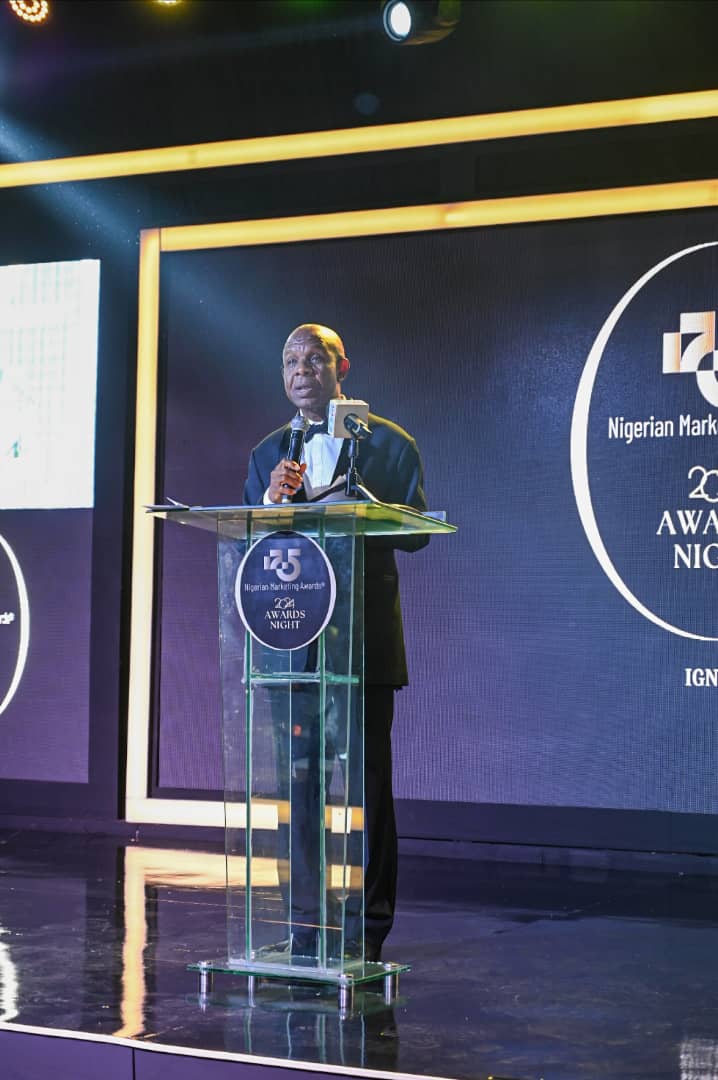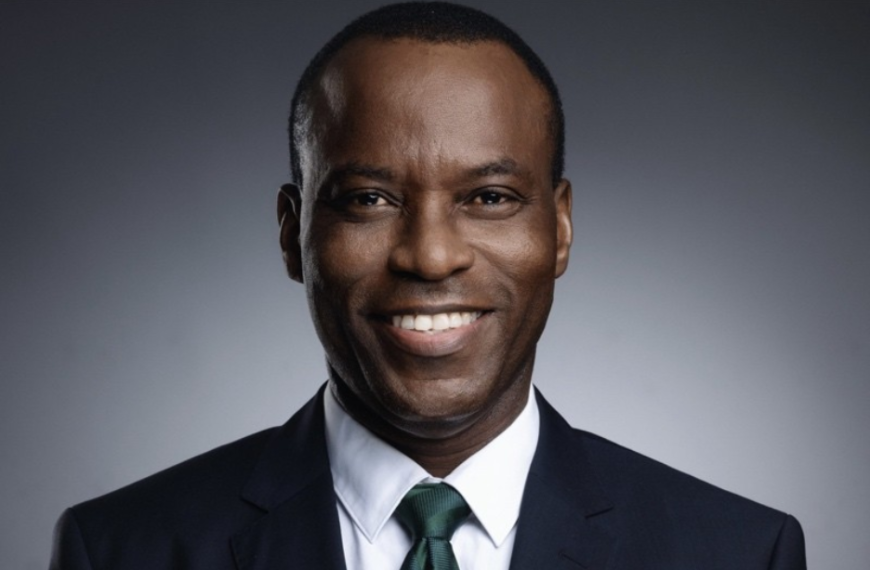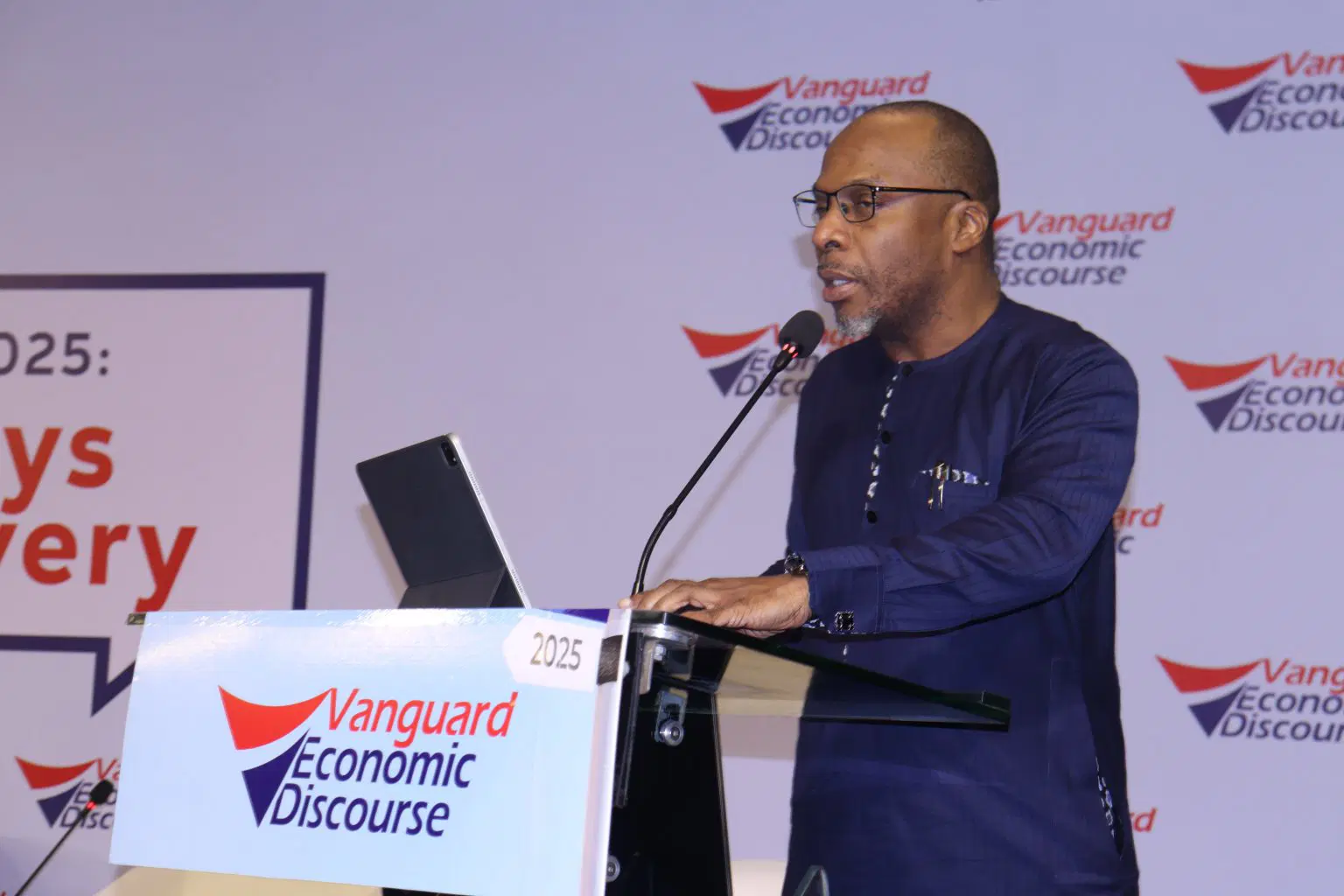

Dr. Yemi Kale, Group Chief Economist and Managing Director of Research and Trade Intelligence at Afreximbank, has stressed that bank recapitalisation is essential to bridging Africa’s annual $80–$120 billion trade finance gap.
Speaking at the Ecobank Customer Forum on Tuesday, Kale, a former Statistician General of Nigeria, said the country’s path to a $1 trillion economy depends on moving from raw material exports to becoming a competitive industrial hub—a shift that requires a strong and well-capitalised financial sector.
“Recapitalising banks is critical,” Kale said. “Without sufficient capital, banks cannot lend to businesses for expansion or machinery imports. How can Nigerian banks support intra-African trade without the capacity to provide adequate financing?”
He added that recapitalisation would increase banks’ ability to fund domestic businesses and exporters, boosting Nigeria’s economy and enhancing regional trade.
Kale cited the Dangote Refinery as a model, urging that policy alignment, large-scale capital mobilisation, and operational scale be replicated across sectors, including agribusiness, textiles, lithium, cobalt, digital technology, and automotive components.
On government reforms, Kale said: “Nigeria has a vast domestic market and potential continental reach. Current policies stabilising the macroeconomic environment are helpful and should be maintained. Consistency is key to sustaining growth.”
He also highlighted the role of competitiveness and efficiency: “Economic growth comes from producing goods and services for local, regional, and global markets. Export success depends on competitiveness. Improving the ease of doing business lowers production costs, reduces inflation, boosts purchasing power, increases demand, and drives job creation and income—paving the way to a $1 trillion economy.”
Ecobank Nigeria Managing Director Bolaji Lawal noted that the forum aimed to explore practical strategies to drive trade and strengthen Nigeria’s integration with the continent.
“Our focus is on accelerating economic transformation, promoting exports, and supporting Nigeria’s $1 trillion economy target. Ecobank’s presence in 33 African countries positions us to facilitate cross-border trade,” Lawal said.
Tiku Allu, Assistant Director at the Central Bank of Nigeria’s Imports and Trade Relations Office, highlighted the importance of regional financial integration: “Africa’s opportunities lie in stronger collaboration. Banks can drive backward integration by providing the capital and financing needed for regional production instead of relying on imports.”
He added that financial institutions must design solutions that promote local production and value addition across the continent.
Ecobank Nigeria Treasurer Olumide Adebayo explained that the forum also addressed pre-election year uncertainties: “In pre-election periods, businesses can be nervous. This forum allows us to engage our customers on trade, foreign exchange, and interest rates to help them plan for the year ahead.”


 By
By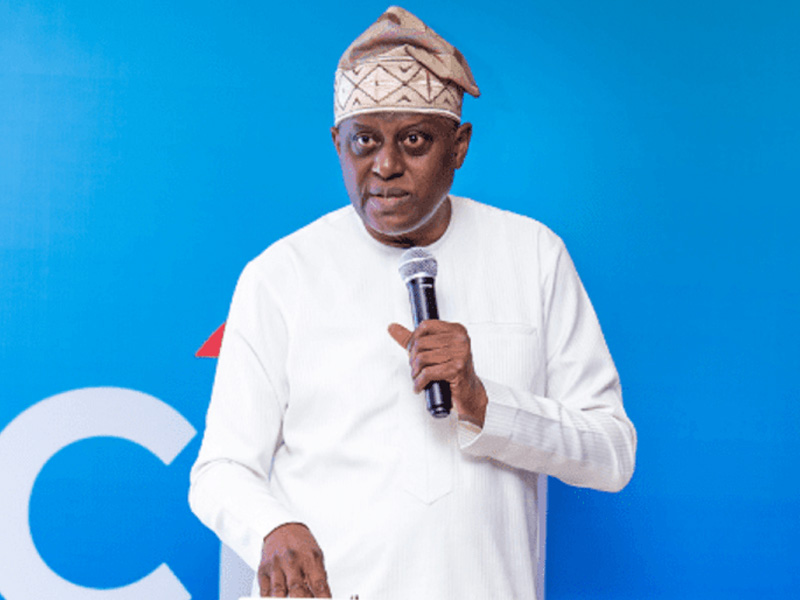



 By
By