
Opinion
Nigeria Must Shift From Borrowing to Sustainable Growth – Oyedele

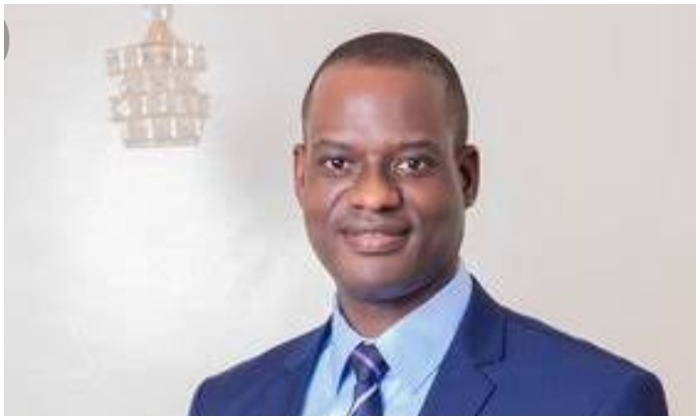
The Minister of Finance and Coordinating Minister of the Economy, Taiwo Oyedele, has warned that Nigeria can no longer depend on borrowing as its main source of development financing, stressing the need for a stronger and more sustainable fiscal system.
He made the remarks at the 28th Annual Tax Conference of the Chartered Institute of Taxation of Nigeria in Abuja, where he highlighted the urgency of ongoing tax reforms.
“Nigeria cannot continue to finance development primarily through borrowing. We must build a fiscal system capable of sustainably supporting critical infrastructure, quality education, affordable healthcare, security, and social protection,” he said.
Oyedele said sustainability must go beyond revenue generation to include fairness, productivity, and reduced inequality.
He noted that Nigeria’s tax system has long been affected by multiple taxation, weak compliance, and fragmented administration.
“Businesses faced overlapping debts, unpredictable enforcements, and rising compliance costs. Citizens often perceived the tax system as unfair because the burden was unevenly distributed,” he said.
He explained that ongoing reforms aim to simplify tax administration, attract investment, and strengthen fiscal stability.
The reforms include exemption of minimum wage earners from personal income tax, reduction in corporate tax rates, and improvements to VAT systems to reduce cost pressures in the economy.
Oyedele also said states are being encouraged to harmonise taxes, with several already adopting reforms to reduce duplication.
He added that digitalisation and automation will be central to future tax administration.
He acknowledged challenges such as weak institutions and public mistrust but insisted reforms are necessary for long-term growth.
Stakeholders at the conference supported the reforms, describing them as key to reducing Nigeria’s reliance on borrowing and strengthening revenue generation.
They also emphasised that taxation must become a tool for economic stability, fairness, and inclusive growth.