Market Trends
Crypto Fraud Crisis: SEC Warns of Investor Fallout

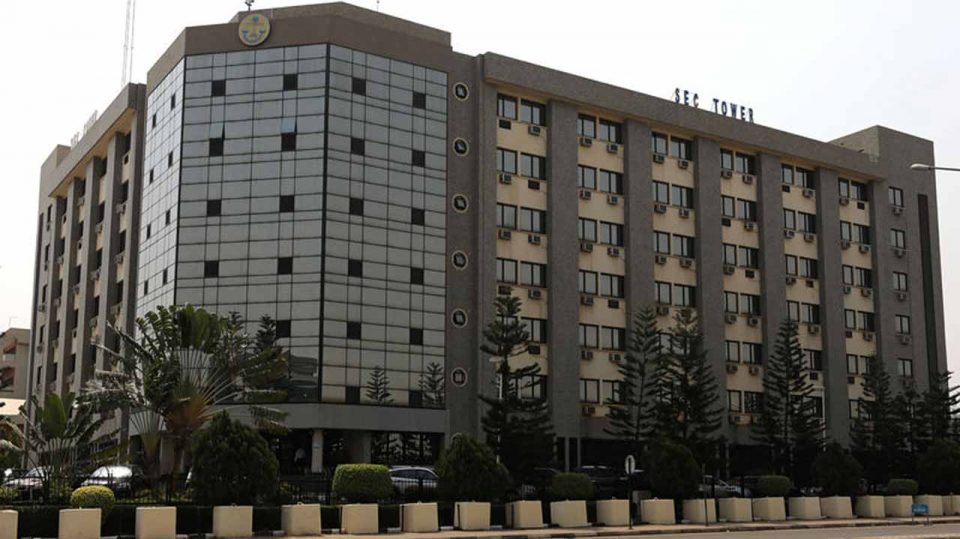
The Director-General of the Securities and Exchange Commission (SEC), Emomotimi Agama, has expressed alarm over the rising wave of fraud involving virtual assets, cautioning that such activities are damaging investor confidence and threatening the credibility of Nigeria’s financial markets.
Agama made the remarks in Abuja at an event commemorating the African Union Anti-Corruption Day, themed “Understanding Virtual Assets and Investment Fraud.” He emphasised that while digital innovation is revolutionising finance, it has also opened new fronts for fraudulent investment schemes.
“These threats erode trust, undermine market integrity, and divert capital from developmental efforts,” he said.
Read Also:
- SEC Alerts Nigerians on Unregistered Investment Schemes
- SEC Emphasizes Investor Caution Amid Rise in Fraudulent Schemes
He explained that the SEC is actively working to strengthen investor protection through regulatory reforms, public education, and enhanced oversight. The recently signed Investment and Securities Act of 2025 empowers the Commission to regulate cryptocurrencies, digital tokens, and blockchain-based assets more effectively.
Agama highlighted new compliance requirements for Virtual Asset Service Providers—including exchanges, brokers, and custodians—who must now register with the SEC and meet strict standards on capital adequacy, cybersecurity, and governance. He also stressed the need for transparent investor risk disclosures.
“All platforms must warn investors about volatility, regulatory risk, and fraud,” he said, noting that the new law imposes harsh penalties for insider trading, Ponzi schemes, and market manipulation.
The Commission pledged continued collaboration with government agencies and international partners to ensure effective oversight of the digital investment ecosystem.
Also speaking at the event, Chairman of the Economic and Financial Crimes Commission (EFCC), Ola Olukoyede, described virtual asset scams as one of the fastest-growing threats to Nigeria’s economic security. He warned that these schemes could surpass even money laundering in terms of damage to national development.
Olukoyede and Agama both called for stronger coordination among regulators, private sector players, and civil society to promote ethical practices and build a resilient investment environment.