Currencies
Naira Holds Steady Against Dollar
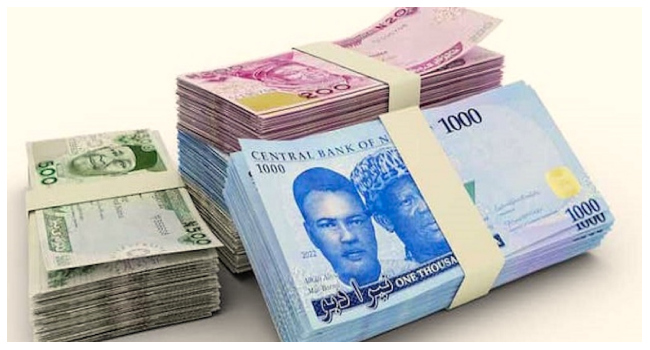
The naira traded at ₦1,373.25 against the United States dollar in the official Nigerian Foreign Exchange Market (NFEM), according to the latest figures released by the Central Bank of Nigeria (CBN).
Data from the official market showed that the local currency remained relatively stable during trading, with exchange rates fluctuating within the ₦1,370 to ₦1,372 range against the dollar.
The latest performance reflects continued activity in Nigeria’s foreign exchange market as authorities pursue reforms aimed at improving liquidity and enhancing transparency in currency trading.
The CBN data placed the official exchange rate at approximately ₦1,373.25 per dollar, providing a benchmark for transactions conducted within the regulated foreign exchange market.
Meanwhile, rates quoted in the parallel market remained higher, with traders exchanging the dollar between ₦1,395 and ₦1,405. The difference between official and unofficial market rates continues to reflect varying demand and supply dynamics across segments of the foreign exchange market.
Currency movements remain closely monitored by businesses, investors, manufacturers, importers, and other stakeholders whose operations are affected by exchange rate fluctuations.
Foreign exchange remains a critical component of Nigeria’s economic framework, influencing import costs, business planning, investment decisions, and overall market confidence.
The official market continues to serve as the primary platform for authorised foreign exchange transactions, providing pricing benchmarks for a broad range of economic activities.
Recent reforms introduced by the Central Bank have focused on improving efficiency within the market, enhancing price discovery, and encouraging greater participation by investors and financial institutions.
Authorities have also continued efforts to strengthen confidence in the foreign exchange system through policies designed to improve liquidity and ensure smoother market operations.
The naira’s performance remains closely linked to the availability of foreign exchange inflows into the economy. Export earnings, remittances, foreign investments, and other sources of dollar supply continue to play an important role in determining market conditions.
Economic stakeholders are also paying attention to external factors that could influence foreign exchange availability, including developments in global commodity markets, international trade flows, and monetary policy decisions in major economies.
Nigeria’s external reserves remain an important component of the country’s foreign exchange framework, providing support for market stability and helping to meet foreign currency obligations.
The Central Bank has maintained its commitment to promoting an orderly market environment while supporting policies aimed at ensuring adequate foreign exchange supply for legitimate business and economic activities.
Financial institutions continue to track market developments as they assess currency trends and advise clients on foreign exchange-related transactions.
Businesses involved in international trade remain particularly focused on exchange rate movements, given their impact on import costs, pricing strategies, and operational expenses.
The foreign exchange market has experienced notable changes over the past several years as policymakers implemented reforms intended to improve transparency and reduce distortions within the system.
Market participants continue to assess the effectiveness of these measures as trading activities evolve and economic conditions change.
The latest exchange rate figures indicate that the naira has maintained relative stability within the official market, with movements remaining within a narrow trading range.
As economic activity continues and foreign exchange demand persists across various sectors, stakeholders are expected to keep a close watch on developments that could influence future currency movements.
The official rate of ₦1,373.25 per dollar remains a key indicator for businesses and investors seeking to evaluate conditions in Nigeria’s foreign exchange market and broader economy.