Data
BREAKING: Nigeria’s Inflation Rises to 15.69% in April
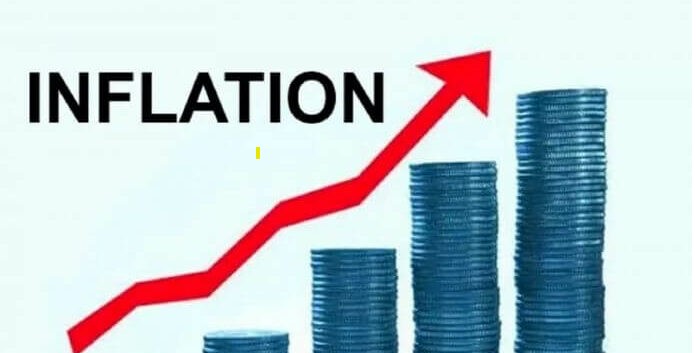
Nigeria’s headline inflation rate increased to 15.69 per cent in April 2026 from 15.38 per cent recorded in March 2026, according to the latest Consumer Price Index report released by the National Bureau of Statistics.
The latest figure represents a 0.31 percentage point increase on a month-on-month basis, reflecting renewed pressure on consumer prices despite earlier signs of moderation in inflationary trends.
However, the inflation rate remained significantly lower compared to the 26.82 per cent recorded in April 2025, indicating a substantial year-on-year decline in overall price growth.
The latest data suggests that although inflationary pressures persist across major sectors of the economy, the pace of annual inflation remains below levels recorded during the peak inflation cycle experienced in 2025.
According to the NBS report, rising costs of food, transportation, energy, and household commodities continued to drive the increase in the headline inflation index during the review period.
The report showed that consumer prices maintained an upward trend across urban and rural areas, reflecting sustained cost pressures on households and businesses nationwide.
The development also reflects the lingering impact of adjustments in fuel prices and logistics costs across the economy, which continue to influence pricing structures for goods and services.
The April inflation figure marks another monthly increase after inflation rose to 15.38 per cent in March from 15.06 per cent recorded in February 2026.
Despite the recent uptick, economists noted that the broader disinflation trend observed since the second half of 2025 remains largely intact compared to the record inflation levels experienced during the previous year.
Nigeria’s inflation rate had peaked at 27.35 per cent in March 2025 before gradually easing due to tighter monetary policy measures, improved exchange rate stability, and moderating food supply disruptions.
The Central Bank of Nigeria had maintained an aggressive monetary tightening cycle throughout much of 2025 in a bid to curb inflationary pressures and stabilise the foreign exchange market.
Economic analysts said the latest inflation reading could influence the direction of monetary policy at the next meeting of the Monetary Policy Committee of the Central Bank of Nigeria.
Market observers expect policymakers to closely monitor developments in food prices, fuel costs, exchange rate stability, and global commodity markets before making further interest rate decisions.
Recent increases in global crude oil prices and renewed geopolitical tensions in the Middle East have also contributed to inflation concerns in import-dependent economies, including Nigeria.
Higher global energy prices have continued to impact transportation, manufacturing, and distribution costs within the domestic economy, placing additional pressure on consumer prices.
Food inflation remains a major concern for households as prices of key staples continue to rise across several parts of the country due to supply chain disruptions, insecurity in food-producing regions, and high transportation costs.
Businesses have also continued to grapple with elevated production costs linked to energy prices, foreign exchange volatility, and imported raw material expenses.
The latest inflation report comes amid ongoing efforts by fiscal and monetary authorities to stabilise the economy, improve food supply, strengthen exchange rate management, and reduce pressure on the cost of living.
Economists noted that while the annual inflation figure remains significantly below last year’s peak, sustained monthly increases could pose fresh risks to household purchasing power and business operations if price pressures persist over the coming months.
The NBS is expected to release further breakdowns covering food inflation, core inflation, urban inflation, and rural inflation as part of its detailed Consumer Price Index report for April 2026.