business
Nigeria’s Textile industry ‘dead,’ says Ex-Minister, Blames Power Crisis
By: Amarachi Okonkwo
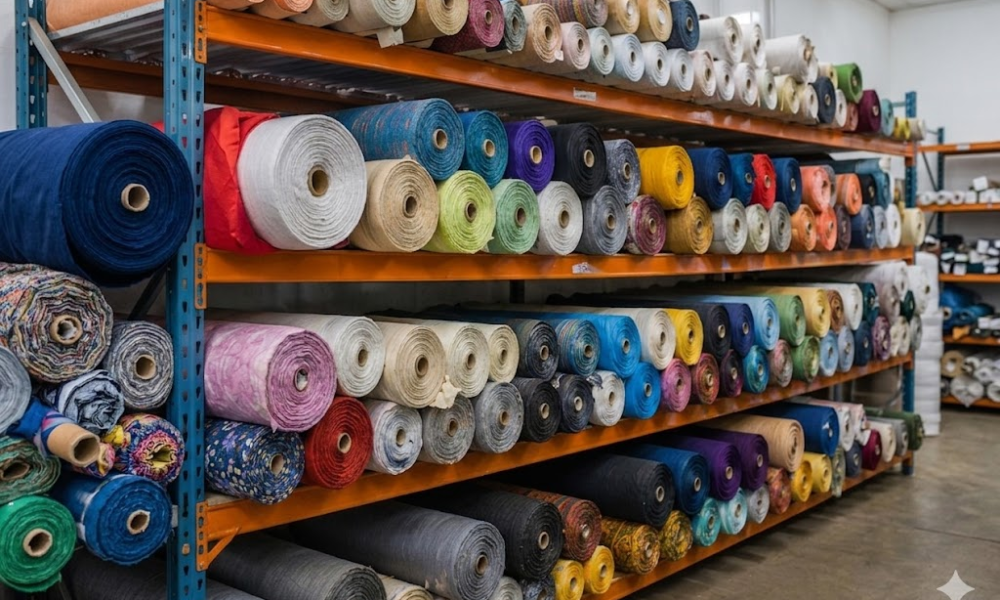
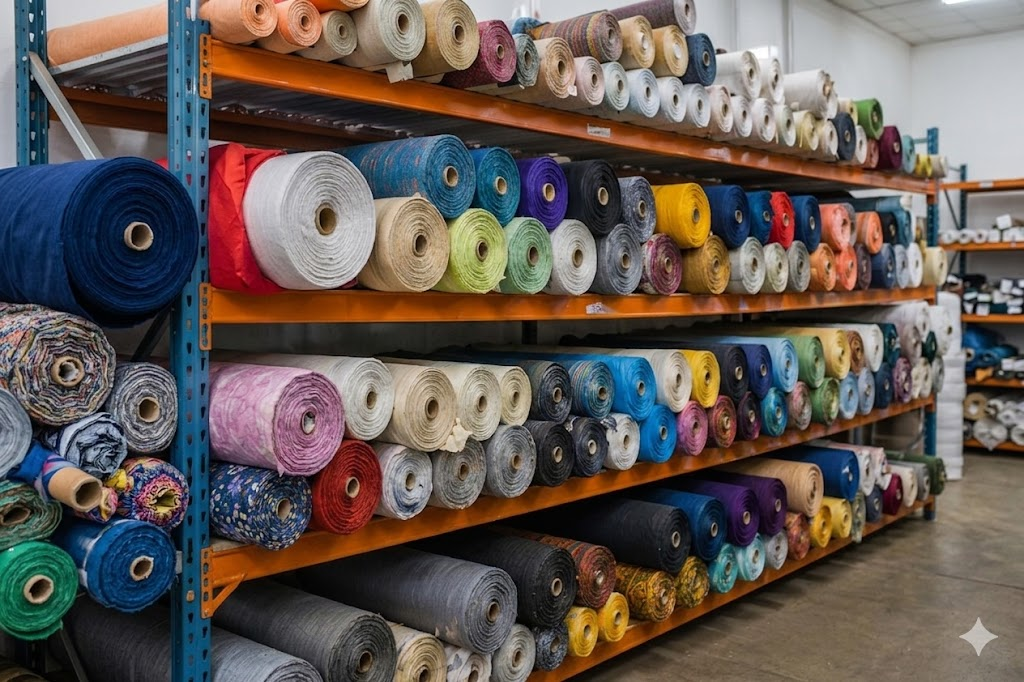
A former Minister of Environment, Lawrencia Mallam, has decried the collapse of Nigeria’s once-thriving textile industry, describing it as a “national shame” with far-reaching consequences for employment and national security.
Speaking at the public presentation of “Do the Needful: Chronicling the Life and Times of Comrade Dele Ariyo” in Lagos on Saturday, Mallam said the decline of the sector underscores years of policy neglect, infrastructural deficits, and missed industrial opportunities.
The memoir honours late textile union pioneer Lawrence Ariyo, and attracted stakeholders from academia, labour unions, and the manufacturing sector.
Mallam noted that textile manufacturing, once a major pillar of Nigeria’s industrial base, particularly in Kaduna State has virtually disappeared.
“In Kaduna alone, we had over five major textile companies operating at full capacity. Today, none of them exist. Cotton production, which sustained these industries, has also collapsed,” she said.
Read Also:
She identified erratic electricity supply as the most critical constraint to industrial revival, stressing that stable power is non-negotiable for manufacturing competitiveness.
“You cannot revive the textile industry without electricity. If the government fixes power, investors will return not just to textiles, but across multiple industries,” she added.
Mallam also lamented Nigeria’s growing dependence on imported textiles, particularly from China, warning that the country has lost its position as one of Africa’s leading textile producers.
“It is China that produces what we wear today. That should not be the case. Nigeria used to rank among the top textile producers in Africa, but the industry is now practically non-existent,” she said.
Linking industrial decline to rising insecurity, she argued that large-scale job creation through manufacturing revival is essential for national stability.
“If industries come back and people are employed, insecurity will naturally decline,” she said.
Also speaking, the Dean of the Faculty of Social Sciences at Lagos State University, Prof. Olufemi Lawal, described the memoir as a critical documentation of Nigeria’s industrial history, offering insights into both the growth and decline of the textile sector.

“There was a time when textile production and cotton exports contributed significantly to Nigeria’s GDP. This book outlines what went wrong and proposes pathways for revival,” Lawal said.
The author, Olusegun Ariyo, said the book serves both as a tribute to his father and a policy call to action.
He urged the government to implement reforms that would revitalise textile manufacturing, stimulate local production, and create jobs.
Stakeholders at the event unanimously called for urgent government intervention, emphasising that reviving the textile industry could reposition Nigeria as a manufacturing hub while addressing unemployment and economic instability.