Business Briefings
BudgIT flags N24bn in unexecuted, abandoned projects across states

By: Amarachi Okonkwo
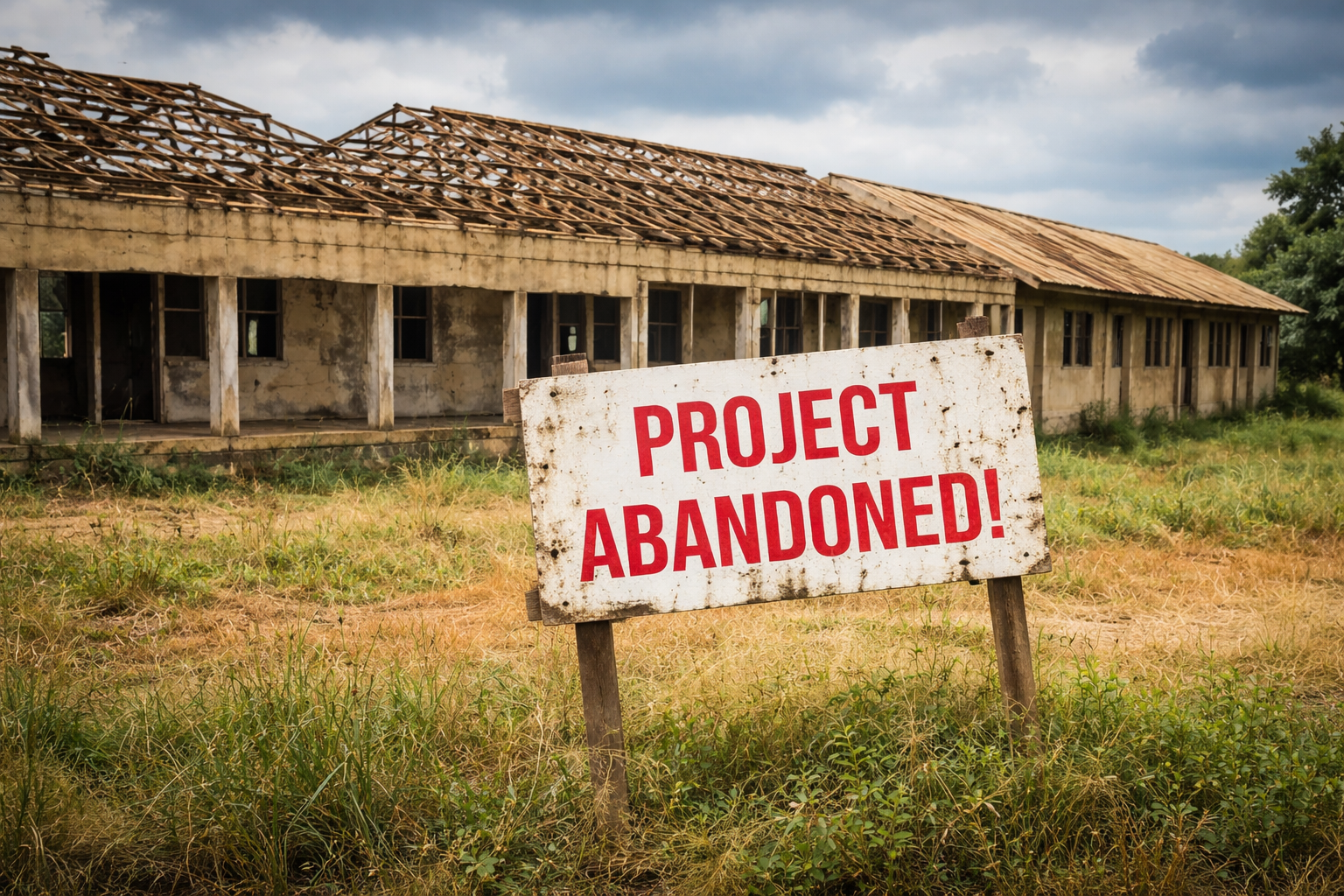
Nigeria has recorded widespread failures in public project delivery, with about N24bn tied to unexecuted, abandoned, and fraudulently delivered projects across several states, according to a new report by civic tech organisation BudgIT.
The findings, published under its service delivery monitoring platform Tracka, highlight deep-rooted inefficiencies in budget execution, procurement integrity, and public sector accountability, despite rising government allocations.
The report, titled “The People and Government Oversight: Connecting the Dots in Service Delivery” and unveiled in February 2026, analysed projects funded between 2024 and 2025 and revealed systemic gaps between budget approvals and actual implementation.
Read Also:
- Oborevwori flags off construction of Uromi Junction Flyover
- Maiden Edition of PRCAN Knowledge Hub Holds in 3 Weeks, Featuring Local and International AI Experts
Rising allocations, weak execution
Tracka’s analysis showed that several states with increased federal allocations recorded some of the highest levels of non-execution.
Benue State led with 40 per cent of tracked projects not executed, followed by Ondo State (32.4 per cent), Kwara State (30.4 per cent), Akwa Ibom State (27.3 per cent), and Sokoto State (25.6 per cent).
These states collectively accounted for 28.8 per cent—valued at N2.19bn—of the N7.60bn allocated to projects that were never implemented.
In contrast, lower incidences of non-execution were recorded in Ebonyi State (5.6 per cent), Katsina State (4.4 per cent), Bauchi State (3.9 per cent), Niger State (1.9 per cent), and Enugu State (1.1 per cent).
Abandoned and stalled projects persist
The report further identified high levels of abandoned projects in Taraba State (29.9 per cent), Abia State (20 per cent), Nasarawa State (10.5 per cent), Adamawa State (7.5 per cent), and Ogun State (7.1 per cent).
However, 17 states recorded no abandoned projects within the review period, suggesting uneven performance in project execution nationwide.
Fraudulent delivery raises red flags
Tracka flagged “fraudulently delivered projects” as a major concern—defined as projects marked by fund diversion, repeated payments for previously completed works, or substandard execution.
States with the highest share of such irregularities include Imo State (17.4 per cent), Lagos State (12.7 per cent), Kwara State (11.8 per cent), Abia State (10.7 per cent), and Ogun State (8.3 per cent).
Together, these states accounted for 57.1 per cent of such cases, representing N8.61bn out of N15.07bn disbursed for projects in this category.
Case studies highlight systemic gaps
In Benue, despite a 6.9 per cent rise in revenue to N20.4bn between 2023 and 2024, only 22 per cent of tracked projects were completed, while 42 per cent were abandoned—underscoring severe implementation challenges.
Similarly, Ondo recorded a sharp increase in project allocations to N104.1bn in 2024, yet only 25 of 101 tracked projects were completed, with a significant number either unstarted or abandoned.
Kwara presented a mixed picture, with 52 of 102 projects completed but 12 flagged as fraudulently delivered, raising concerns about procurement processes and contractor accountability.
In Akwa Ibom, allocations surged by nearly 960 per cent year-on-year to N207.95bn, the highest increase among states, yet execution gaps remained evident.
Sokoto also showed persistent inefficiencies, with 17 out of 72 tracked projects unexecuted despite increased funding.
Governance concerns in fiscally strong states
Even states with stronger fiscal capacity showed notable weaknesses. In Lagos, 14 out of 110 tracked projects were fraudulently delivered, while 21 had not commenced, despite allocations exceeding N351bn.
In Imo, 19 out of 109 tracked projects were flagged for fraudulent delivery, pointing to accountability issues.
Abia, under Governor Alex Otti, recorded improved internally generated revenue, rising to N40bn in 2024. However, only 39 per cent of tracked projects were completed, with cases of abandonment and fraud persisting.
Civil society blames corruption, weak oversight
Stakeholders attribute the trend to systemic governance failures. The Executive Director of the Civil Society Legislative Advocacy Centre, Auwal Musa, cited corruption, political discontinuity, and poor planning as major drivers.
He noted that projects are often initiated for political reasons, with funds diverted or misused before completion, while incoming administrations abandon inherited projects.
Similarly, Debo Adeniran of the Centre for Anti-Corruption and Open Leadership highlighted the absence of sanctions for non-performance as a key issue.
According to him, weak enforcement of appropriation laws and lack of accountability have normalised project abandonment across different tiers of government.
Call for reforms
Analysts and civil society groups are calling for stricter oversight, improved project planning,
and stronger enforcement mechanisms to curb waste and ensure value for public spending.
They stressed the need for governments to prioritise impactful, well-funded projects and to enforce penalties for contractors and officials who fail to deliver.
The Tracka report ultimately underscores a persistent disconnect between rising public expenditure and tangible development outcomes—raising concerns about fiscal efficiency and the broader impact on Nigeria’s economic growth and service delivery.