Capital Market
FX Reforms Drive 200% Increase in Capital Inflows — Cardoso

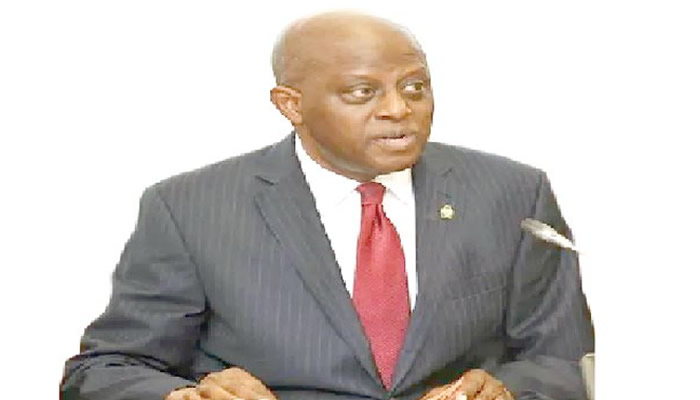
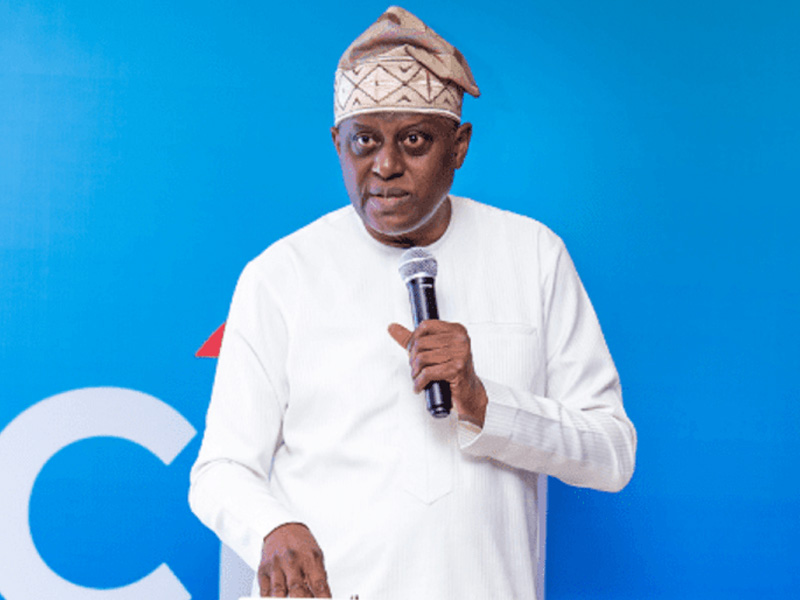
The Governor of the Central Bank of Nigeria, Olayemi Cardoso, has stated that ongoing foreign exchange reforms have significantly increased capital inflows into Nigeria and strengthened confidence in the naira.
Cardoso disclosed this during a lecture delivered at St. Gregory’s College in Lagos during the institution’s Founder’s Day celebration.
He said the reforms were introduced to eliminate distortions in the foreign exchange market, enhance transparency, and restore stability in Nigeria’s financial system.
According to him, the policy measures have reshaped the foreign exchange market and reduced long-standing inefficiencies.
Cardoso stated that the CBN eliminated the system of multiple exchange rates and significantly reduced the premium between the official and parallel market rates.
He noted that the parallel market premium declined from around 50 per cent in 2022 to less than two per cent on average in 2025.
The CBN governor said the foreign exchange market now operates with improved liquidity and efficiency, reducing the need for extraordinary interventions by the central bank.
He added that the apex bank had cleared the backlog of unmet foreign exchange demand that previously constrained businesses and investors.
Cardoso stated that investment flows into Nigeria increased by nearly 200 per cent between 2023 and 2025 as a result of the reforms.
He noted that the policy measures have improved balance-of-payments conditions and strengthened investor confidence in the economy.
The improvements, he said, are reflected in the growth of external reserves and relative stability in the foreign exchange market.
Cardoso also noted that the central bank has returned to orthodox monetary policy and implemented tightening measures to address inflation.
According to him, inflation has declined from a peak of about 34 per cent to approximately 15 per cent.
Read Also:
- CBN Restricts Banking Services for Large Loan Defaulters
- CBN to Raise a Fresh N850bn Through Treasury Bills Auction
He emphasised that transparent markets and strong financial institutions remain critical to sustaining economic growth and strengthening Nigeria’s financial system.
The foreign exchange reforms form part of broader macroeconomic adjustments aimed at addressing structural challenges within Nigeria’s currency market.
For several years, Nigeria operated a multiple exchange rate system that created arbitrage opportunities and weakened market transparency.
The current reforms aim to unify the exchange rate system, improve price discovery, and enhance market efficiency.
The CBN stated that the reforms are intended to rebuild trust in financial markets and strengthen the economy’s ability to withstand global shocks.