Currencies
Naira Holds Steady at ₦1,400 Amid High Liquidity

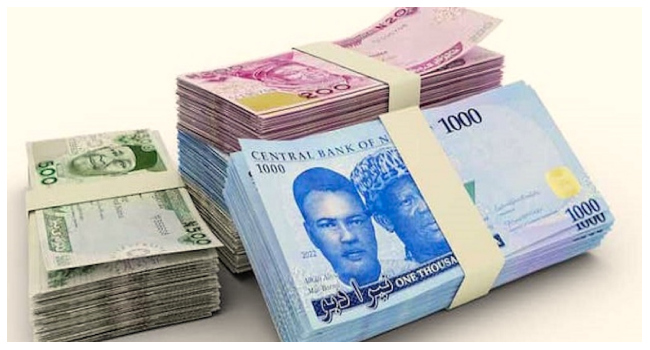
Nigeria’s exchange rate has slipped back into the N1,400 range against the dollar, reversing gains recorded earlier when the naira appeared to be strengthening toward the N1,300 mark.
Just weeks earlier, analysts had projected that the currency could stabilize below N1,300, with optimism growing around what many believed was a fairer valuation for the naira. However, those expectations quickly faded as the currency weakened again in the official market, closing around N1,425 to the dollar.
The shift reflects the volatile nature of currency markets, where sentiment can change rapidly. Traders who purchased dollars when the naira appreciated to about N1,337 have already benefited from the reversal, reinforcing the tendency for contrarian positions to gain in unpredictable markets.
Read Also:
- Naira Weakens After Interest Rate Cut Announcement
- OPS Welcomes CBN’s Interest Rate Cut as Positive Signal
The recent depreciation coincided with a decision by the Central Bank of Nigeria to reduce its policy rate by 50 basis points. The monetary authority justified the move by citing relatively strong foreign exchange reserves estimated at about $50 billion and what it described as improved stability in the forex market. The rate cut was also linked to expectations that inflationary pressures would continue to moderate.
Despite those assurances, developments in the market suggest that maintaining exchange rate stability remains a delicate task. Analysts note that policymakers may not necessarily be seeking a significantly stronger naira at this stage of economic adjustment.
A rapidly appreciating currency could encourage foreign portfolio investors to exit earlier than expected. Investors who entered the market when the currency was weaker may take advantage of a stronger exchange rate to repatriate profits quickly. Such an outcome would undermine efforts to retain longer-term capital inflows that support liquidity in domestic financial markets.
Foreign portfolio investments have played a critical role in Nigeria’s strategy for stabilizing the foreign exchange market. Higher interest rates have historically been used to attract these inflows, which provide additional liquidity and help support the naira. However, rapid currency appreciation could shorten investment horizons and weaken the effectiveness of this approach.
Government revenue dynamics also play a role in exchange rate considerations. Because crude oil exports are denominated in dollars, a weaker naira translates into higher naira inflows once earnings are converted into local currency. This effect increases fiscal receipts in the federal accounts and provides some support for public finances.
At the same time, higher interest rates used to attract capital inflows increase borrowing costs for the government, creating a difficult balance between monetary and fiscal priorities.
Export competitiveness is another factor influencing exchange rate policy. A relatively weaker currency improves the price competitiveness of Nigerian goods in international markets, which supports the government’s push to expand non-oil exports and diversify revenue sources beyond crude oil.
Rising export earnings also contribute to the accumulation of foreign exchange reserves, strengthening the central bank’s capacity to intervene during periods of excessive market volatility.
Rather than aggressively defending the naira, the monetary authority has increasingly adopted a flexible exchange rate framework that allows market forces to determine the currency’s direction while intervening selectively to limit sharp fluctuations.
Under this approach, the central bank may purchase dollars when the naira strengthens significantly in order to build reserves, and sell dollars when the currency weakens sharply to calm market conditions.
External developments continue to influence the outlook for the naira. Heightened geopolitical tensions in the Middle East have pushed global oil prices higher, while rising risk premiums have made investors more cautious about emerging markets.
Inflation remains another key factor. Persistent price pressures could weaken confidence in the currency and complicate policy decisions aimed at stabilizing the foreign exchange market.
Taken together, these factors suggest that the naira may remain within the N1,400 range in the near term. Policymakers appear to be aiming for a balance in which the currency is neither excessively strong nor dangerously weak.