
Currencies
Forex Markets Watchful as Naira Trades Between N1,350–N1,400

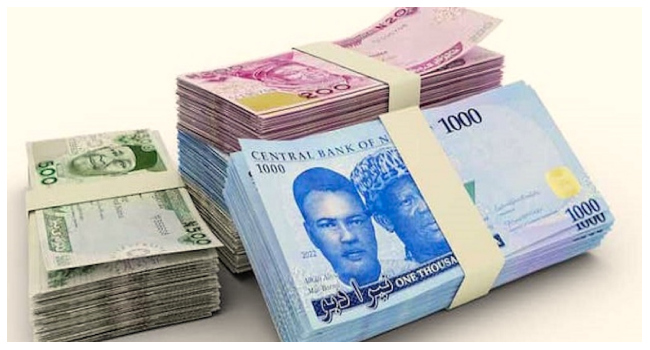
The naira is showing signs of relative stability but remains vulnerable to external shocks, with analysts projecting the currency could trade within the N1,350 to N1,400 per dollar range in the near term amid rising geopolitical risks.
Market sentiment suggests that Nigeria’s foreign exchange outlook now reflects a more controlled pattern compared to previous volatility, largely due to liquidity management by the Central Bank of Nigeria and stronger external reserves.
However, traders warn that any escalation in Middle East tensions could push the parallel-market exchange rate toward N1,450/$ as investors shift funds into safe-haven assets such as the US dollar, treasury securities, and gold.
- Read Also:
- Naira Strengthens Against Euro, Closes at ₦1,606/€1
- NGX suspends trading on Zichis Agro-Allied shares after 772% surge
Conversely, improved oil production levels combined with continued central bank interventions could support appreciation toward the N1,300 range over the medium term.
Historically, frontier markets like Nigeria experience capital outflows during periods of global uncertainty, as investors reallocate portfolios to more stable jurisdictions.
A key factor supporting currency stability is Nigeria’s growing external reserves, which recently climbed to about $50bn — the highest level in over a decade. The reserve strength provides the central bank with greater capacity to intervene in the foreign exchange market and meet dollar demand.
The monetary authority has also begun cautiously easing policy after an extended tightening cycle, trimming its benchmark interest rate slightly in a signal of confidence that macroeconomic stability is improving.
Analysts interpret the policy shift as an indication that the central bank believes the worst phase of currency depreciation may be easing, helping to stabilise investor expectations.
Energy dynamics remain central to Nigeria’s exchange-rate outlook. Increased domestic refining capacity from the Dangote Refinery is expected to reduce pressure on foreign reserves by lowering the country’s dependence on imported petroleum products.
At the same time, higher crude output and stronger export receipts could improve foreign-exchange inflows if production levels remain stable.
Nigeria’s ability to benefit from rising global oil prices depends heavily on its capacity to meet quotas set by the OPEC and address challenges such as pipeline vandalism, theft, and ageing infrastructure.
Global tensions continue to shape currency forecasts. Rising conflict risks in the Middle East have pushed oil prices higher, which can boost Nigeria’s reserves but also increase import costs and global risk aversion.
The dollar index has recently hovered near multi-week highs, reflecting strong demand for safe-haven assets during geopolitical uncertainty.
Recent military exchanges involving Iran, Israel, and allied forces have heightened investor caution across emerging markets. Statements from US leadership, including Donald Trump, indicate the possibility of prolonged hostilities, further adding to market nervousness.
Analysts say sustained instability could intensify capital outflows from emerging economies, including Nigeria, placing renewed pressure on the naira despite improved macroeconomic fundamentals.