Business Briefings
Economic Reforms Will Persist Amid World Bank Praise-Tinubu

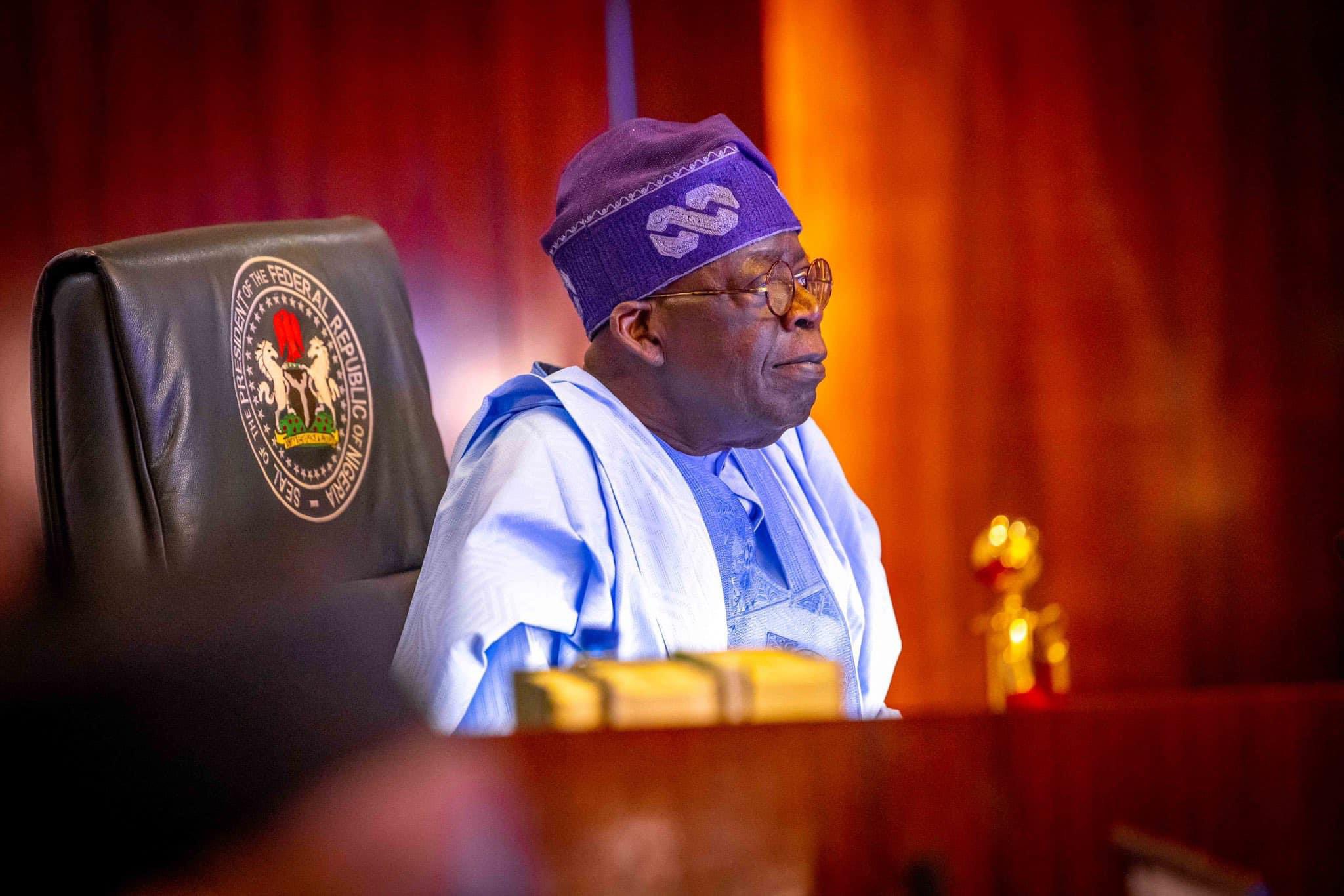
President Bola Ahmed Tinubu has reaffirmed Nigeria’s commitment to its ongoing economic reform agenda, stressing that there is “no turning back” despite short-term challenges. The assurance came during a meeting at the State House in Abuja with Vice President Kashim Shettima and a delegation from the World Bank led by Managing Director of Operations, Anna Bjerde.
The discussion focused on Nigeria’s reform trajectory, investor confidence, and potential areas of deeper collaboration under the World Bank’s upcoming Country Partnership Framework.
Bjerde commended Nigeria for maintaining credible and consistent reforms, noting that the country is increasingly cited globally as a reference point for steady policy leadership, particularly when difficult economic decisions are required. She highlighted that evidence of tangible progress has strengthened investor confidence, enhanced policy credibility, and built trust among the private sector and policymakers.
President Tinubu acknowledged that the reform process has involved significant short-term adjustments but stressed that the measures were necessary to reposition the economy on a sustainable path. He cited policies such as the removal of fuel subsidies and exchange rate unification, which initially contributed to inflationary pressures, but pointed out that inflation has since eased and the naira has stabilised.
The President emphasized that transparency, accountability, and policy consistency remain central to the government’s reform strategy, noting that these principles are critical to restoring macroeconomic stability and attracting long-term investment.
Tinubu also highlighted agricultural transformation as a cornerstone of his economic agenda, pointing to Nigeria’s vast arable land and youthful population as key growth opportunities. He outlined government initiatives including zonal mechanisation centres, enhanced seed development programmes, and increased fertiliser availability, supported by the petrochemical industry. These interventions aim to boost productivity, reduce manual labour, and transition farmers from subsistence activities to commercially viable cooperatives capable of driving job creation and improving food security.
Bjerde added that the forthcoming World Bank framework aligns closely with Nigeria’s development priorities, including the goal of building a $1 trillion economy and achieving seven per cent annual GDP growth. She emphasised the importance of expanding access to finance for small, medium, and large enterprises, particularly mid-sized firms, which she described as key drivers of employment and economic expansion.
The World Bank also lauded Nigeria’s investments in early childhood development, highlighting its critical role in long-term productivity and human capital development amid rising global concerns over childhood stunting.
Through the IDA, IBRD, and IFC, the World Bank Group reaffirmed its commitment to supporting Nigeria via a comprehensive programme combining public and private sector initiatives, reinforcing the country’s ongoing reform momentum.