
The Banking Hall
CBN Weighs ATM–Card Ratio as Cash Outside Banks Stays at 94%


More than 94% of Nigeria’s total cash in circulation remains outside the formal banking system, highlighting a growing contradiction in the country’s financial landscape: cash usage continues to rise even as digital payments expand rapidly.
Data presented by the Committee of Heads of Banks’ Operations (CHBOs) shows that although electronic payment volumes have surged by over 300% since 2020, physical cash still dominates daily transactions across the economy. The trend is forcing banks and regulators to reassess branch operations, digital adoption strategies, and financial inclusion frameworks.
Banking operations executives say Nigeria’s experience challenges the global assumption that increased digital payments naturally reduce cash dependence. Instead, both cash and electronic transactions are expanding simultaneously.
According to industry leaders, digital adoption has improved significantly, but it has not displaced cash. Electronic transaction volumes are now rising at almost the same pace as physical cash usage, reflecting a unique payments ecosystem shaped by trust, culture, and infrastructure constraints.
Despite advances in mobile banking, transfers, and online payments, bank branches continue to attract large volumes of customers. Rather than disappearing, physical branches are evolving into centres for consultation, reassurance, and trust-building, especially for customers who still prefer face-to-face engagement.
Operations executives noted that many customers still visit branches primarily to withdraw or deposit cash, a situation worsened by operational inefficiencies such as network downtime and cash-heavy internal processes. These challenges continue to reinforce reliance on physical money and long queues within banking halls.
In response to recurring cash shortages, the Central Bank of Nigeria has signalled plans to introduce an ATM–card ratio policy, aimed at better aligning card issuance with ATM availability and usage.
Industry experts at the conference attributed Nigeria’s high cash dependence to structural issues rather than resistance to technology. Factors such as limited financial literacy, infrastructure gaps, security concerns, and trust deficits were identified as key drivers.
With roughly 5,500 bank branches serving a customer base exceeding 100 million, experts said scale remains a major obstacle to financial inclusion. While routine services like transfers and balance enquiries have largely moved to digital platforms, branches are increasingly reserved for complex, high-value, and advisory services, particularly for small and medium-sized enterprises and corporate clients.
To address regional disparities, experts proposed a tiered branch model comprising digital guidance centres in urban areas, hybrid branches in semi-urban locations, and community access branches in rural areas where cash remains essential.
Bank executives also pointed out that internal systems often perpetuate cash usage, as staff are forced to process cash-heavy transactions due to infrastructure failures and unreliable connectivity.
Looking ahead, experts stressed the need for banks to integrate tools such as electronic KYC, biometric verification, and data analytics within branches to gradually migrate customers into digital ecosystems while maintaining physical assurance.
They agreed that coercive digitalisation policies are unlikely to succeed, noting that cultural preferences and security considerations mean cash will continue to play a significant role in Nigeria’s financial system for the foreseeable future.
-

Apple’s “Campos” AI Chatbot Set to Replace Siri in Major Overhaul
Apple is gearing up for one of the most significant changes to its artificial intelligence strategy in years. The tech giant plans to replace Siri with a fully integrated AI chatbot, codenamed “Campos,” which will be built directly into iPhones, iPads, and Macs later this year. The move signals Apple’s intent to compete more aggressively…
-
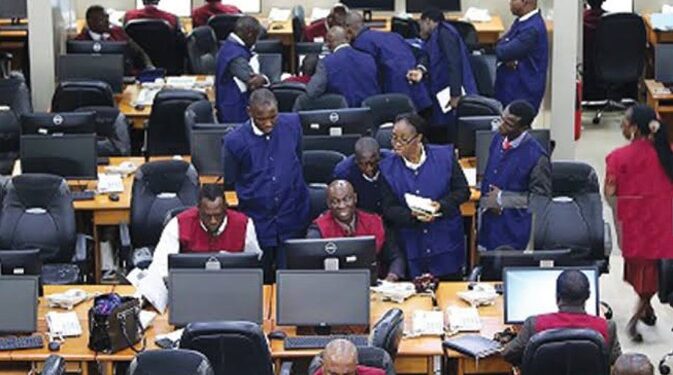
Nigerian Exchange Ends Thursday Mixed as Trading Volume Falls
The Nigerian Stock Exchange (NGX) closed Thursday, January 29, 2026, with a modest uptick in its benchmark indices, even as market activity experienced noticeable declines compared to the previous session. By the end of trading, a total of 550,402,871 shares changed hands across 38,635 deals, representing a market value of ₦14.14 billion. This marked a…
-
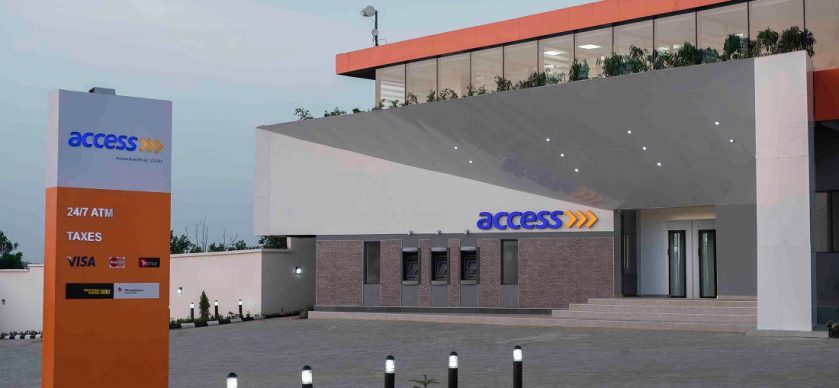
Access Bank Sets Agenda for Africa Trade Conference 2026
Access Bank Plc has positioned the 2026 Africa Trade Conference (ATC) as a strategic platform to advance Africa’s role in global trade, facilitate policy dialogue, and deepen partnerships between African and international markets. Group CEO Roosevelt Ogbonna said the conference, themed “Turning Vision into Velocity: Building Africa’s Trade Ecosystem for Real-World Impact,” will gather leaders…