Opinion
Nigeria May Cut Interest Rates If Disinflation Continues – Edun

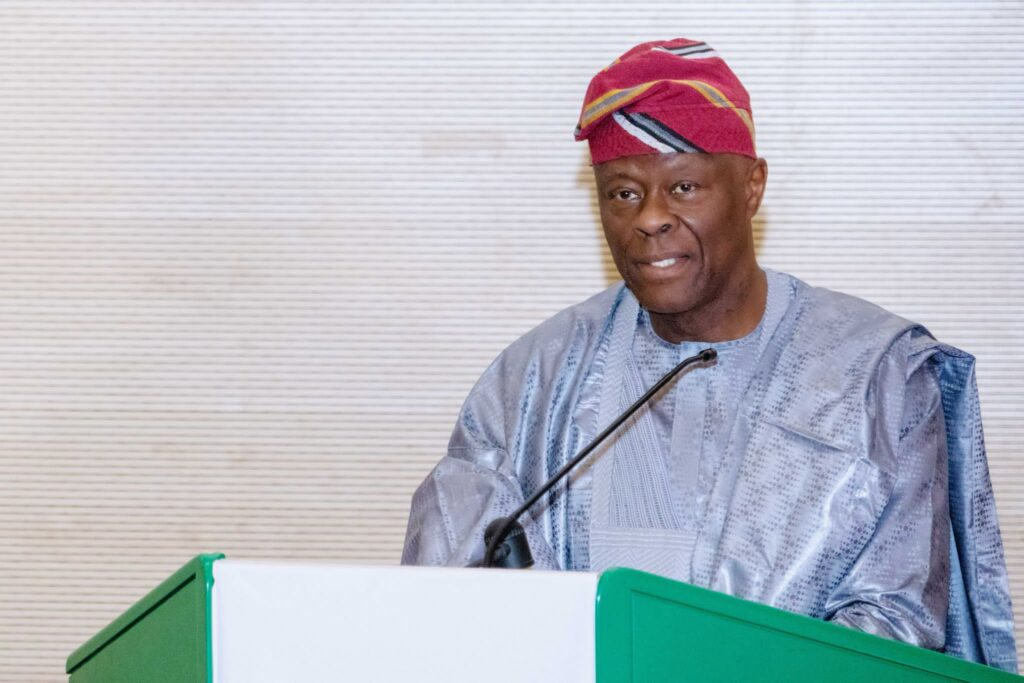
The Minister of Finance and Coordinating Minister of the Economy, Wale Edun, has indicated that Nigeria could see further reductions in interest rates if inflation continues on a downward trajectory.
Edun said sustained moderation in inflation would provide policy space for easing borrowing costs, a move he noted would significantly reduce the pressure of debt servicing on public finances.
He explained that lower inflation and interest rates would allow the government to redirect funds currently committed to interest payments toward other fiscal priorities, thereby improving overall budget stability.
The comments come amid mounting fiscal challenges, including high debt servicing obligations, unstable oil revenues, and a widening budget deficit, all of which have intensified the importance of easing borrowing costs.
Edun commended recent monetary policy measures aimed at restoring price stability, noting that firm tightening actions over the past two years have contributed to a gradual slowdown in inflation from its previous peak.
He recalled that the monetary policy rate had risen sharply in response to inflationary pressures before a modest adjustment signaled the beginning of a more balanced policy stance as price growth began to ease.
Despite the improvement, Nigeria’s fiscal position remains under strain. In the proposed 2026 budget, a significant portion of total expenditure is allocated to interest payments, reflecting the heavy burden of servicing public debt. Revenue projections remain constrained, largely due to weak oil earnings, resulting in a sizable fiscal deficit.
Edun noted that reducing interest rates would not only stimulate economic activity but also provide the federal government with greater fiscal flexibility by lowering the share of revenue devoted to debt servicing.
He added that the government’s borrowing approach would continue to be guided by market conditions, investor demand, and strict adherence to limits set under the medium-term expenditure framework.
Beyond monetary policy considerations, the minister said the administration is accelerating efforts to strengthen revenue mobilisation and reduce dependence on borrowing. These include structural reforms, improved efficiency in revenue collection, and the full transition of government agencies to automated payment systems to enhance transparency and minimise leakages.
Edun also said the government is counting on proceeds from privatisation, asset divestments, and improved crude oil production to support budget funding and stabilise public finances.