Business Briefings
Nigeria’s PiCNG Initiative Attracts $2 Billion Investment in Two Years

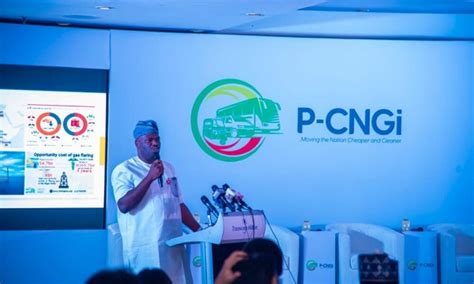
Nigeria’s Presidential Initiative on Compressed Natural Gas (PiCNG) and Electric Vehicles says the country has attracted over $2 billion in private-sector commitments to its CNG subsector within two years of launching the programme.
The Executive Chairman/CEO of PiCNG, Ismaeel Ahmed, represented by the Chief Compliance Officer, Zayyanu Tambari, disclosed this in Abuja during the unveiling of new CNG products by Alfa Design Nigeria Limited.
The event showcased a range of technologies, including CNG conversion kits by Mijo AutoGas, cylinders by EKC International, a Mother Station by CIMC ENRIC, and an Optical Gas Imaging Camera from Opgal Optronics.
Ahmed explained that when the initiative began in 2023, the domestic CNG industry had little activity and attracted almost no meaningful investment. He said private-sector enthusiasm has since accelerated rapidly, pushing total inflows above $1.8 billion—rounded up to $2 billion. He added that PiCNG aims to draw $5 billion into the sector by 2027, a target he believes could be exceeded due to strong investor interest.
According to Ahmed, the programme has already created over 80,000 direct jobs, with indirect opportunities growing at a ratio of one job to four. The initiative is targeting 300,000 direct jobs by 2027, a milestone he believes is achievable given ongoing project expansion nationwide.
He noted that when President Bola Tinubu launched the initiative in 2023, Nigeria had only seven conversion centres. Today, that figure has grown to 369, with more opening regularly. The target is 3,000 conversion centres by 2027, a projection Ahmed believes could be surpassed if current growth trends continue.
On refuelling facilities, Nigeria had only 20 CNG stations in 2023. The number has now risen to more than 68 licensed stations, while over 150 additional stations are under construction. The programme aims for between 2,000 and 2,500 retail outlets by 2027.