
Oil & Gas
Fresh Petrol Shipments Boost Supply as Dangote Cuts Price

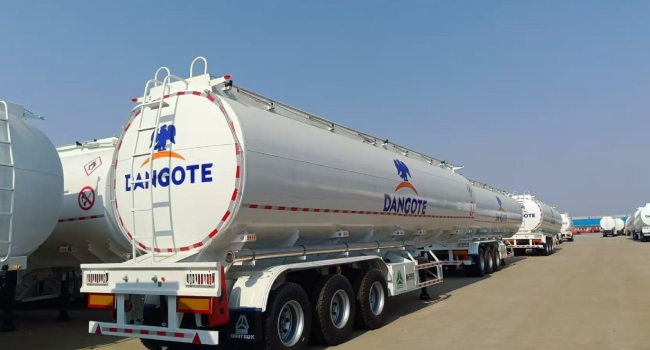
Petrol availability is set to improve across Nigeria following a surge in fresh shipments to key terminals and a recent price reduction by the Dangote Petroleum Refinery.
Data obtained from industry sources show that between November 10 and 11, vessels carrying Premium Motor Spirit (PMS) and diesel (AGO) arrived at the Lagos and Port Harcourt terminals. Companies including Techno Oil, Ardova, AA Rano, and MOCoh maintained active berthing schedules, ensuring that offloading proceeded smoothly and stock levels were reinforced ahead of expected year-end demand. Analysts say this reflects effective coordination between private depots and refinery-linked supply chains.
In a separate development, Dangote Refinery cut its ex-depot price of petrol by ₦49 per litre, lowering the gantry price from ₦877 to ₦828. The move, the refinery’s second major adjustment in three months, is aimed at responding to market conditions and stabilising domestic supply. Experts say the reduction, combined with the federal government’s 15 per cent import tariff on refined fuel, may make petrol imports less economically attractive for marketers.
Read Also:
- Dangote Clarifies: No Mandate on Union Membership
- Dangote Pushes African Refining, Eyes Public Share Offer
Industry operators told reporters that the new pricing could prompt some importers to reconsider bringing in foreign fuel, as they may struggle to compete with Dangote’s lower rates. However, others cautioned that halting imports completely could risk product shortages, since local refining capacity still meets only about 30 to 35 per cent of national demand.
Clement Isong, Executive Secretary of the Major Oil Marketers Association of Nigeria, explained that Dangote’s pricing follows import parity principles and takes into account factors such as vessel size, storage capacity, and freight costs. He noted that while some marketers might still source petrol at lower costs, the refinery’s pricing is now a strong benchmark for the domestic market.
Similarly, Billy Gillis-Harry, President of the Petroleum Products Retail Outlets Owners Association of Nigeria, emphasised that imported products currently complement local output. He urged the government to review the import tariff to maintain supply stability, while noting that market competition naturally influences pricing.
At the ports, spot landing prices for petrol were slightly higher, with rates at the Nigerian Ports Authority and the New Oil and Gas Free Zone hovering around ₦830 per litre. Retail prices, meanwhile, range between ₦850 and ₦950 per litre depending on location and marketer.
The latest developments suggest that petrol availability and pricing could stabilise in the coming weeks, provided supply from both domestic refiners and importers continues to flow efficiently.