Business Briefings
Tinubu Approves N4tn Bond to Clear GenCos’ Debts — Power Minister

President Bola Tinubu has approved the issuance of a N4tn bond to settle verified debts owed to power generation companies (GenCos) and gas suppliers, as part of efforts to stabilise Nigeria’s electricity market and restore investor confidence in the sector.
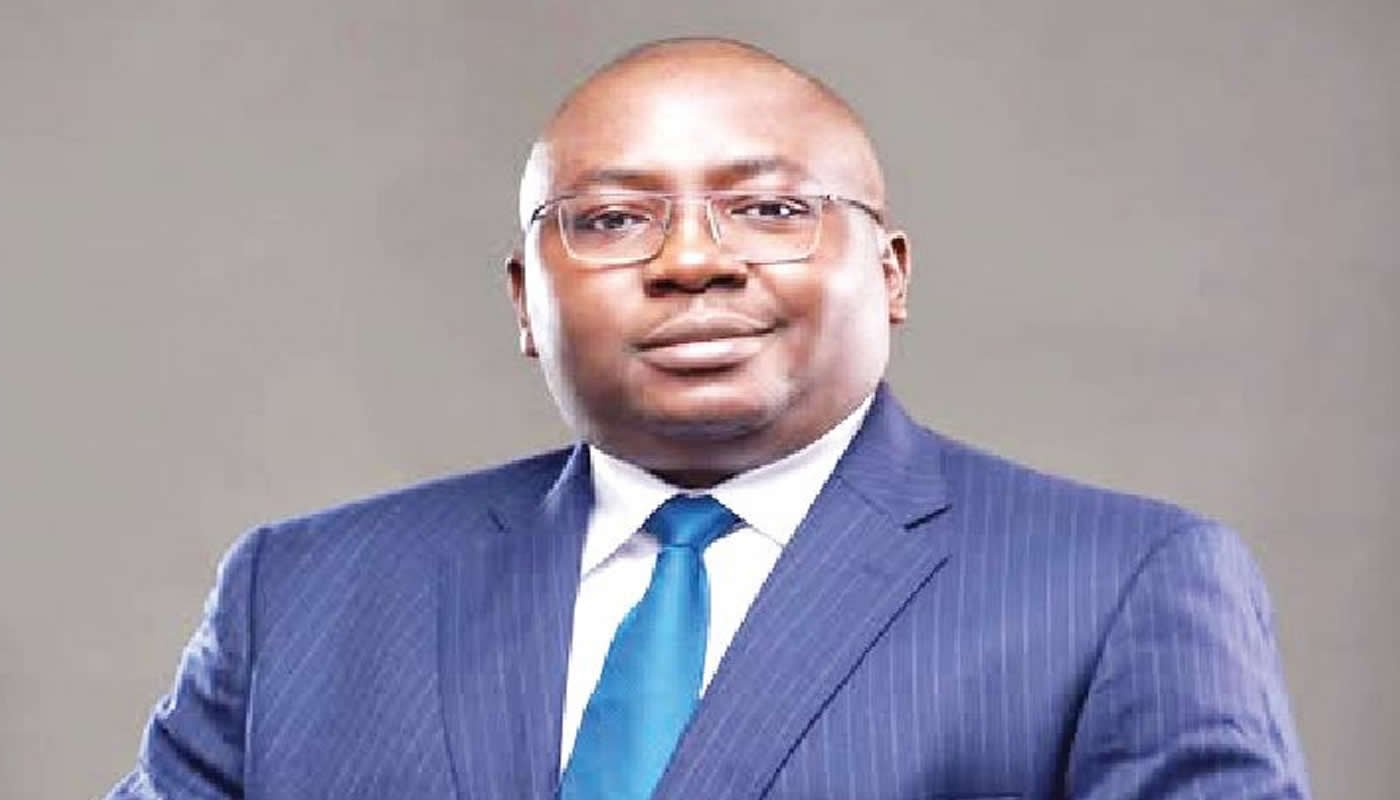
The Minister of Power, Adebayo Adelabu, disclosed this in Abuja during the Expert Forum on “Uninterrupted Power: The Industrial Imperative” organised by the Nigeria Economic Summit Group. He highlighted that the initiative is a key component of the Federal Government’s Renewed Hope Agenda aimed at making the power sector sustainable, efficient, and commercially viable.
According to Adelabu, the bond forms part of a broader financial stabilisation plan to resolve long-standing liabilities that have constrained investment and liquidity within the power value chain.
“To stabilise the market, Mr President has approved a N4tn bond to clear verified GenCo and gas supply debts. In addition, a targeted subsidy framework is being designed to protect vulnerable households and create a sustainable path toward full commercialisation and a viable electricity market,” he said.
He explained that the government is adopting a comprehensive and multi-dimensional strategy to reposition the power sector, covering legislative reforms, infrastructure investment, energy transition, and local content enhancement.
Adelabu noted that tariff policy reforms have begun to yield tangible results, particularly through the introduction of cost-reflective tariffs for select consumers, which have improved supply reliability and reduced energy costs for industries.
He revealed that sector revenue had risen significantly in the past year, stating, “Industry revenue has increased by 70 per cent to N1.7tn in 2024 compared to the previous year, and we expect it to surpass N2tn in 2025.”
The minister emphasised that clearing the GenCos’ and gas suppliers’ debts would provide long-awaited relief to operators whose unpaid invoices have severely affected generation capacity and overall system efficiency.
He also reaffirmed the government’s commitment to infrastructure development, including projects under the Presidential Power Initiative (PPI), which aim to expand generation and transmission capacity nationwide.
In his remarks, Adelabu urged stakeholders to support the government’s ongoing reforms, expressing optimism that sustained collaboration with the private sector and development partners would accelerate Nigeria’s progress toward a stable and competitive power industry.
He added that several national programmes have been launched to fast-track grid modernisation and expansion.
“Under Phase Zero of the Presidential Power Initiative, we have enhanced transmission capacity, grid stability, and overall reliability, with over 700 megawatts of additional transmission capacity already achieved,” Adelabu said. “For Phase One, contracts have been signed with Siemens Energy, CMEC, Elswedy Electric, and Power China, with financing arrangements currently being finalised. This phase is expected to add 7,000 MW of operational capacity to the national grid.”
In parallel, the government is boosting generation capacity by rehabilitating key National Integrated Power Project (NIPP) plants to unlock an additional 345 MW, alongside the integration of the 700 MW Zungeru Hydropower Plant into the grid.