Business Briefings
FG Negotiates $2bn Loan with China to Build New Power Super Grid

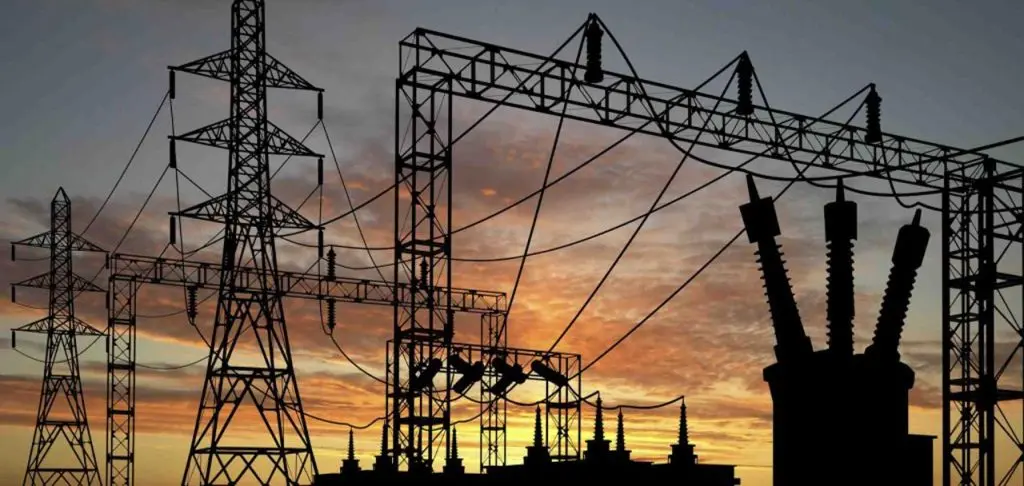
The Federal Government is finalising discussions with China’s Export-Import Bank for a $2 billion facility to construct a new electricity super grid aimed at resolving Nigeria’s long-standing power supply problems.
The planned project is expected to enhance power transmission across the eastern and western regions, where most of the country’s industrial and commercial activities are concentrated.
Minister of Power, Adebayo Adelabu, disclosed the initiative at an economic summit in Abuja on Monday, noting that it forms part of the government’s broader strategy to decentralise electricity generation and encourage major industrial users—who left the national grid due to unreliable supply—to reconnect.
“This initiative is part of efforts to decentralise power generation and attract back heavy commercial users that exited the national grid because of its unreliability,” Adelabu said.
He explained that negotiations with China’s Exim Bank are progressing smoothly and that the funding proposal has already secured cabinet approval.
Nigeria’s total installed generation capacity currently stands at about 13 gigawatts, but only a third of that reaches end-users due to frequent grid collapses and transmission inefficiencies.
In contrast, South Africa—whose population is roughly one-quarter of Nigeria’s—has around 70 gigawatts of installed capacity. The persistent unreliability of Nigeria’s power supply has forced many companies to rely on self-generation, which now accounts for nearly half of total electricity consumed nationwide.
Adelabu stated that the proposed super grid would significantly improve power flow to industrial clusters, stimulate manufacturing output, and support economic growth.
Since taking office in 2023, President Bola Tinubu’s administration has rolled out a range of reforms, including the removal of fuel subsidies, tax restructuring, and improved security in oil-producing areas, to attract investment and revitalise key sectors.
The government has also implemented tariff adjustments for select urban consumers to enhance the financial sustainability of the power sector.
According to Adelabu, these reforms have already strengthened revenue performance within the electricity industry, with distribution companies recording a 70 per cent revenue increase in 2024. He added that sectoral earnings are projected to rise further, potentially exceeding ₦2.4 trillion ($1.6 billion) in 2025.