
The Central Bank of Nigeria (CBN) has unveiled the Nigeria Payment System Vision (PSV) 2028, a strategic roadmap designed to deepen digital payments, expand financial inclusion and position Nigeria as a leading payments hub on the African continent.
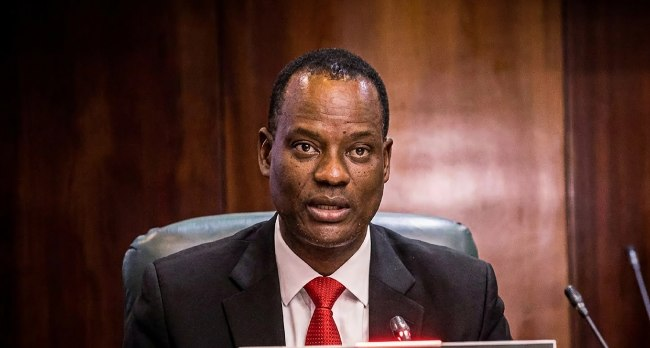
The initiative was launched in Abuja, where CBN Governor Olayemi Cardoso outlined the bank’s plans to transform the country’s payment ecosystem over the next three years through improved infrastructure, increased access to financial services and greater adoption of digital payment channels.
According to the apex bank, the roadmap aims to increase financial inclusion to 95 per cent of Nigeria’s adult population by 2028, bringing millions of previously excluded individuals into the formal financial system.
Cardoso described the programme as a comprehensive strategy intended to reshape how Nigerians conduct transactions, save money, invest and participate in the digital economy.
Read Also:
He stated that the initiative builds on the progress already achieved in the country’s payments industry, noting that Nigeria has developed one of Africa’s most dynamic digital payment ecosystems through innovation, fintech growth and expanding electronic transaction adoption.
The governor said the vision seeks to ensure that financial inclusion becomes a central component of future economic development efforts. He noted that millions of Nigerians, including traders, farmers, artisans and young entrepreneurs, are expected to gain access to formal financial services under the programme.
According to him, the target is to extend financial access to an estimated 50 million additional Nigerians by 2028 through expanded banking services, digital wallets and improved payment infrastructure.
Cardoso emphasized that successful implementation would depend largely on execution, stressing that the effectiveness of the initiative would be measured by tangible outcomes rather than policy documentation.
The CBN noted that payment infrastructure has evolved into a critical national asset capable of supporting economic growth, reducing transaction costs, improving transparency and facilitating commercial activity across different sectors of the economy.
Under the new roadmap, the apex bank intends to reduce the volume of cash circulating outside the formal banking system to below 40 per cent of total currency in circulation.
The strategy also includes plans to significantly expand digital payment acceptance points across the country. More than 10 million QR-code and tap-to-pay acceptance points are expected to be deployed in markets, transport hubs, rural communities and commercial centres nationwide.
The initiative is aimed at increasing the availability of cashless payment options while encouraging greater participation in digital financial services.
Another major objective of the roadmap is the strengthening of payment security. The CBN plans to deploy advanced technologies, including artificial intelligence-driven monitoring systems and enhanced identity verification tools, to reduce fraud losses within the financial sector.
According to the bank, the target is to lower fraud-related losses to less than 0.001 per cent of total transaction volumes by 2028.
Cardoso disclosed that Nigeria’s payment infrastructure already processes millions of instant transactions daily, with most settlements completed within seconds. He said efforts would continue to improve transaction speed, efficiency and reliability as payment volumes increase.
The roadmap also places considerable emphasis on innovation and collaboration within the financial services industry. Open banking remains a key component of the strategy, with the CBN highlighting the availability of more than 100 licensed application programming interfaces (APIs) designed to support product development and service integration across the sector.
The initiative is expected to create additional opportunities for fintech companies, banks and other payment service providers to develop innovative financial products tailored to diverse consumer needs.
Industry stakeholders believe improved payment infrastructure could accelerate the adoption of digital financial services among underserved populations, particularly in rural communities where access to traditional banking services remains limited.
The vision is also aligned with Nigeria’s broader economic reform agenda aimed at enhancing productivity, promoting financial inclusion and strengthening investor confidence in the economy.
In addition, the framework seeks to support regional trade opportunities under the African Continental Free Trade Area (AfCFTA) by enabling faster and more efficient cross-border payment transactions.
Stakeholders have noted that efficient payment systems are increasingly important for economic competitiveness, particularly as businesses and consumers continue to embrace digital channels for commercial activities.
The launch of PSV 2028 represents the latest effort by the Central Bank of Nigeria to modernise the country’s financial infrastructure and strengthen the foundation for long-term digital economic growth.
With ambitious targets covering financial inclusion, digital payments, fraud reduction and infrastructure expansion, the roadmap is expected to play a significant role in shaping the future of Nigeria’s financial services industry over the coming years.





 By
By


 🔌 Transfer to you. SIGN IN >>> graph.org/BALANCE-36824-US-DOLLARS-04-24?hs=6fdc1083634b88805fce8c5cb25f7b2e& says:

 By
By