Currencies
Naira Strengthens Against Pound Amid UK Crisis

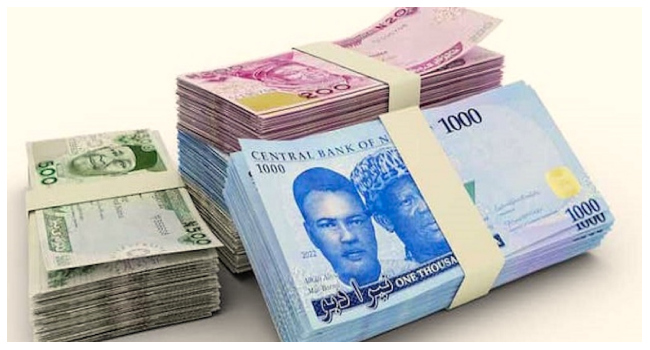
The Nigerian naira appreciated against the British pound sterling at the official foreign exchange market as growing political uncertainty in the United Kingdom weakened the British currency.
Latest data released by the Central Bank of Nigeria showed the pound sterling traded at N1,840/£1, reflecting improved performance by the local currency after weeks of sustained pressure in the foreign exchange market.
The naira also recovered from its April lows, maintaining relative stability during the first half of May as traders reacted to developments in the United Kingdom and liquidity management measures introduced by the apex bank.
Read Also:
- spacex-files-historic-wall-street-ipo-plans
- otedola-sells-geregu-stake-to-buy-into-dangote-refinery-ipo
Market activity showed the local currency trading within the N1,825/£1 to N1,950/£1 range amid concerns surrounding the UK economy and expectations regarding future interventions by the Central Bank of Nigeria in the foreign exchange market.
The British pound weakened significantly following political tensions within the UK ruling Labour Party after reports emerged that a senior party figure was considering moves to challenge Prime Minister Keir Starmer.
Currency traders said the political developments added pressure on sterling, limiting investor appetite for the British currency across global markets.
However, resistance levels remain around N1,880 to N1,900, with analysts warning that a sustained break above that threshold could trigger renewed pressure toward the N2,000/£1 psychological mark at both official and parallel market windows.
The foreign exchange market has continued to experience volatility following Nigeria’s exchange rate reforms and fuel subsidy removal policies, with traders closely monitoring changes in foreign currency liquidity and monetary policy direction.
The naira’s performance has largely depended on inflows from crude oil earnings and foreign portfolio investments, while shortages in official market liquidity have frequently intensified pressure in the parallel market.
Despite recent gains recorded by the naira, experts warned that Nigeria’s elevated inflation rate continues to weaken the local currency’s real purchasing power.
Meanwhile, the British pound posted marginal gains against the United States dollar during Friday’s trading session, with spot prices hovering around 1.3430 in London trading.
Sterling remained capped near the 100-day Exponential Moving Average amid mixed signals surrounding the monetary policy direction of the Bank of England.
Monetary Policy Committee member Swati Dhingra said the central bank might avoid further interest rate increases if rising energy prices produce only limited inflationary effects.
Another policymaker, Catherine Mann, warned that wage negotiations in 2027 could reflect expectations of persistently high inflation across the United Kingdom.
Bank of England Governor Andrew Bailey stated that policymakers had gained additional time to assess the economic impact of the Iran conflict following the rise in market interest rates.
However, traders remained cautious over the outlook for the British currency amid political uncertainty in the UK and growing geopolitical tensions linked to the Middle East crisis and global oil supply concerns.