Capital Market
Morocco Inflation Hits 1.7% On Fuel Surge

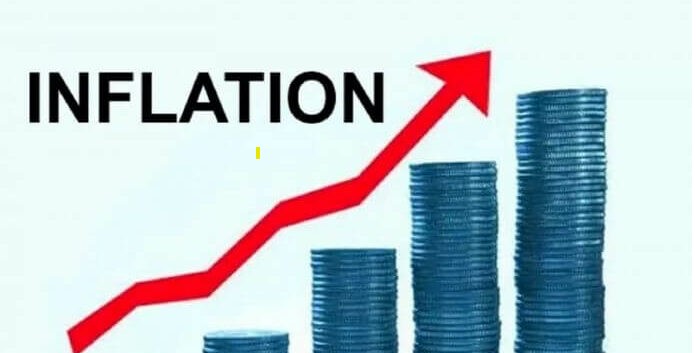
Morocco’s annual inflation rate accelerated to 1.7 per cent in April 2026, up from 0.9 per cent recorded in March, as rising fuel and transportation costs increased pressure on consumer prices across the North African economy.
Latest figures released by Reuters citing Morocco’s national statistics agency showed that higher global energy prices linked to geopolitical tensions in the Middle East contributed significantly to the increase in inflation during the review period.
The data highlighted mounting concerns over the economic impact of persistent volatility in global oil markets, particularly for import-dependent economies facing rising transportation and logistics costs.
Transport prices recorded the sharpest increase among major consumer categories, rising by 8.4 per cent year-on-year as higher fuel prices filtered through the broader economy.
The report showed that food prices increased by 0.6 per cent compared to April 2025, while non-food products recorded a stronger increase of 2.5 per cent over the same period.
Core inflation, which excludes volatile items and government-regulated prices, declined marginally by 0.3 per cent on a yearly basis but edged up by 0.1 per cent month-on-month.
Read Also:
Rising energy prices have continued to increase operating expenses for businesses while placing additional pressure on household incomes and transportation costs.
The Middle East conflict has intensified concerns over global crude oil supply disruptions and sustained energy market volatility, leading to renewed inflationary pressures across several economies.
Moroccan authorities have intensified measures aimed at cushioning households and businesses from rising living costs through targeted subsidy interventions and fiscal support programmes.
To reduce the domestic impact of rising global fuel prices, the Moroccan government announced plans to inject an additional 20 billion dirhams, equivalent to approximately $2.17 billion, into its 2026 budget.
The additional spending package is expected to support subsidies for public transportation, cooking gas and electricity prices as authorities attempt to stabilise living costs and preserve consumer purchasing power.
Economists noted that Morocco has maintained relatively moderate inflation levels compared to several emerging and developing economies in recent years, largely due to government subsidy programmes and monetary policy management.
However, the country has remained exposed to inflationary pressures stemming from global commodity price shocks, supply chain disruptions and higher import costs since 2022.
Fuel and transportation expenses have continued to represent major drivers of inflation across the Moroccan economy, particularly as businesses pass increased operating costs to consumers.
In response to inflation risks and geopolitical uncertainty, Bank Al-Maghrib retained its benchmark interest rate at 2.25 per cent during its March 2026 policy meeting.
The central bank stated at the time that inflation remained relatively stable despite mounting uncertainty in global energy markets and broader geopolitical developments.