Commodities
Cheap Cocoa, costly energy: Nigeria’s processors miss Out

By: Amarachi Okonkwo
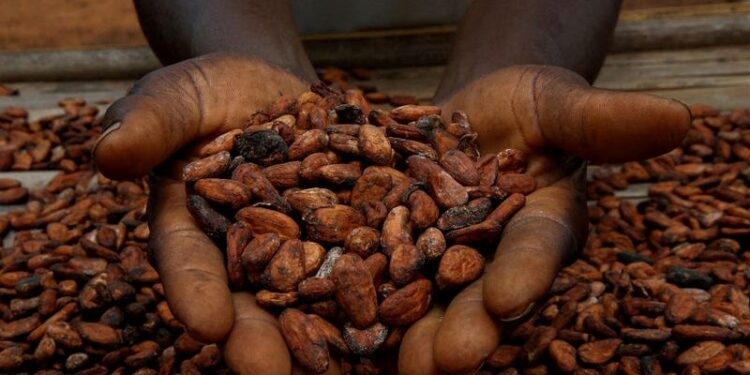
Nigeria’s cocoa processing industry is failing to benefit from the dramatic collapse in global cocoa prices, with operational challenges and surging energy costs eroding potential gains. Cocoa prices have plunged by 83 percent from their 2024 peak of ₦15 million per metric ton to around ₦2.5 million, a shift that should have boosted margins for local grinders. Instead, processors say they are missing out.
Akin Laoye, executive director of FTN Cocoa, explained that while the slump in cocoa prices has reduced raw material costs, the industry is grappling with soaring energy and logistics expenses.
“Before now, we spent 30 percent of our operational costs on power generation, but the recent surge in diesel prices has increased it to 35 percent,” Laoye said. “We use three trucks monthly to power our factory, and pump prices have surged by 85 percent. We aren’t gaining from the low cocoa prices.”
The surge in fuel costs is linked to the escalating Iran war, which has disrupted oil and gas shipments through the Strait of Hormuz. With about a fifth of global oil and LNG flows restricted, Nigeria has seen diesel depot prices jump from ₦970 to ₦1,800 per litre, raising operating costs for factories reliant on generators.
Processors also face difficulties sourcing beans. Licensed Buying Agents (LBAs), who purchased cocoa at higher prices, are stockpiling in hopes of a rebound, limiting supply to local grinders.
Read Also:
CBN Restricts Banking Services for Large Loan Defaulters
FG targets 5.2m new power connections under $750m World Bank programme
Felix Oladunjoye, chairman of the Cocoa Processors Association of Nigeria (COPAN), noted that while Nigeria’s processors typically buy closer to spot prices an advantage compared to international competitors the industry’s heavy debt burden prevents them from capitalising.
“Most of our cocoa factories are down with debt and do not have the required finance to gain from the current low cocoa prices,” Oladunjoye said. “This would have been a time for processors to recoup past losses, but the surge in energy and logistics costs is making it impossible.”
Processing cocoa into derivatives such as cake, butter, liquor, and powder generates two to three times more value per ton compared to exporting raw beans, according to the International Cocoa Council (ICCO). Nigeria, the world’s fourth-largest cocoa grower with 315,000 metric tons annually, has only five operational processing plants with a combined utilisation capacity of 20,000MT per year, COPAN data shows.
During the 2024–2025 cocoa price rally, margins collapsed, forcing several factories to shut down. Globally, cocoa grindings fell 4.3 percent year-on-year to 4.6 million MT, while Barry Callebaut, the world’s largest industrial chocolate maker, reported a 22 percent drop in sales volumes and saw its shares lose nearly half their value.
However, Lawrence Afere, founder of Springboard Farmers’ Co-operative and maker of Tiwa Chocolate, believes the current low cocoa prices present a rare opportunity for Nigerian processors to scale operations. Yet, he warns that without urgent reforms in energy, financing, and infrastructure, the industry risks missing out.
“The opportunity is there, but the realities on the ground mean processors will be missing out on a piece of the pie,” Afere said.